
Your colon does vital work: it absorbs water, forms stool, and hosts trillions of bacteria that shape mood, nutrient breakdown, and the immune system.
When inflammation flares in conditions like ulcerative colitis or Crohn’s, you can face bloating, cramps, and diarrhea. Over time, chronic inflammation can harm the lining and change how your body handles food.
This guide shows how everyday choices in diet and food selection can calm inflammation, ease discomfort, and help maintain long-term digestive health. You won’t need an extreme plan — just practical swaps like more leafy greens, fatty fish, whole grains, legumes, berries, nuts, seeds, olive oil, and fermented items with live probiotics.
Expect clear, science-informed steps for building meals that improve bowel regularity, reduce bloating, and nurture a balanced microbiome. Small, consistent habits add up.
Key Takeaways
- You’ll learn simple food choices to reduce inflammation and protect your colon lining.
- Practical lists show what to eat more of and what to limit without drastic dieting.
- Fermented and fiber-rich options help diversify the microbiome and aid immune balance.
- Meal ideas focus on steady digestion, less bloating, and better bowel routine.
- Track your responses and add probiotics and prebiotic fibers gradually for comfort.
Why Inflammation in Your Gut Matters Right Now
Your colon’s microbiome ties directly into your immune system and shapes how you break down nutrients and feel day to day. This ecosystem keeps defenses tuned and helps control inflammation in the lower digestive tract.
Chronic inflammation in the colon can quietly damage the lining over time. You may notice early symptoms like cramping, bloating, diarrhea, or urgency. If those signs persist, act sooner rather than later.
Diet and lifestyle choices set your short- and long-term risk for serious outcomes such as colorectal cancer. Patterns rich in fiber from fruits and whole grains link to lower risk. Swapping processed meals and refined carbohydrates for more fish and plant-based carbs reduces harmful compounds and supports recovery.
| Factor | Increases Risk | Protective Choice |
|---|---|---|
| Diet | Processed meat, refined carbohydrates | Fruits, whole grains, fish |
| Lifestyle | Smoking, excess alcohol, poor sleep | Rest, stress management, move daily |
| Biology | Chronic infections or untreated disease | Screening, medical care, balanced foods |
- Watch for ongoing symptoms and get professional advice if they continue.
- Small changes in diet and daily habits can lower inflammation and protect your system and body.
Understanding Inflammation: Acute Protection vs. Chronic Risk
Think of acute inflammation as an immediate repair crew: it arrives fast, clears damaged tissue, and signals healing with redness, swelling, and pain.
Feeling foggy, stuck, or emotionally off?
- • Trouble focusing or feeling scattered
- • Low energy or emotional drive
- • Feeling disconnected or stuck
These tools can help you reset, refocus, and reconnect:
- 🔋 Mitolyn
- Cellular energy & mitochondrial support
- 🌙 SleepLean
- Restful sleep & metabolic balance
- 💧 ProstaVive
- Prostate comfort & urinary support
Acute responses are time-limited and helpful. They stop infections and begin repair. You want these to work and then subside.
By contrast, chronic inflammation is low-grade and long-lasting. It can persist for months or years and raise your risk for heart disease, type 2 diabetes, certain cancers, and other disease states.
Triggers include diet patterns, smoking, inactivity, poor sleep, excess alcohol, persistent infections, pollutants, and stress. These forces keep the process active when it should stop.
- You can spot early symptoms like lingering aches, fatigue, or digestive upset.
- Quality nutrition shapes your immune and microbiome system, often calming digestion and lowering flares.
- Soluble fiber forms a gel in the gut, steadies blood sugar, and feeds microbes that produce helpful short-chain fatty acids.
- Plant compounds — antioxidants and polyphenols — buffer oxidative stress and support cell defenses.
“Treating chronic inflammation means improving several lifestyle levers, not fixing just one.”
Small, consistent changes in sleep, stress, activity, and diet reduce long-term harm and help you prevent the slow erosion of health caused by ongoing inflammation.
Anti-Inflammatory Foods That Support Gut Repair
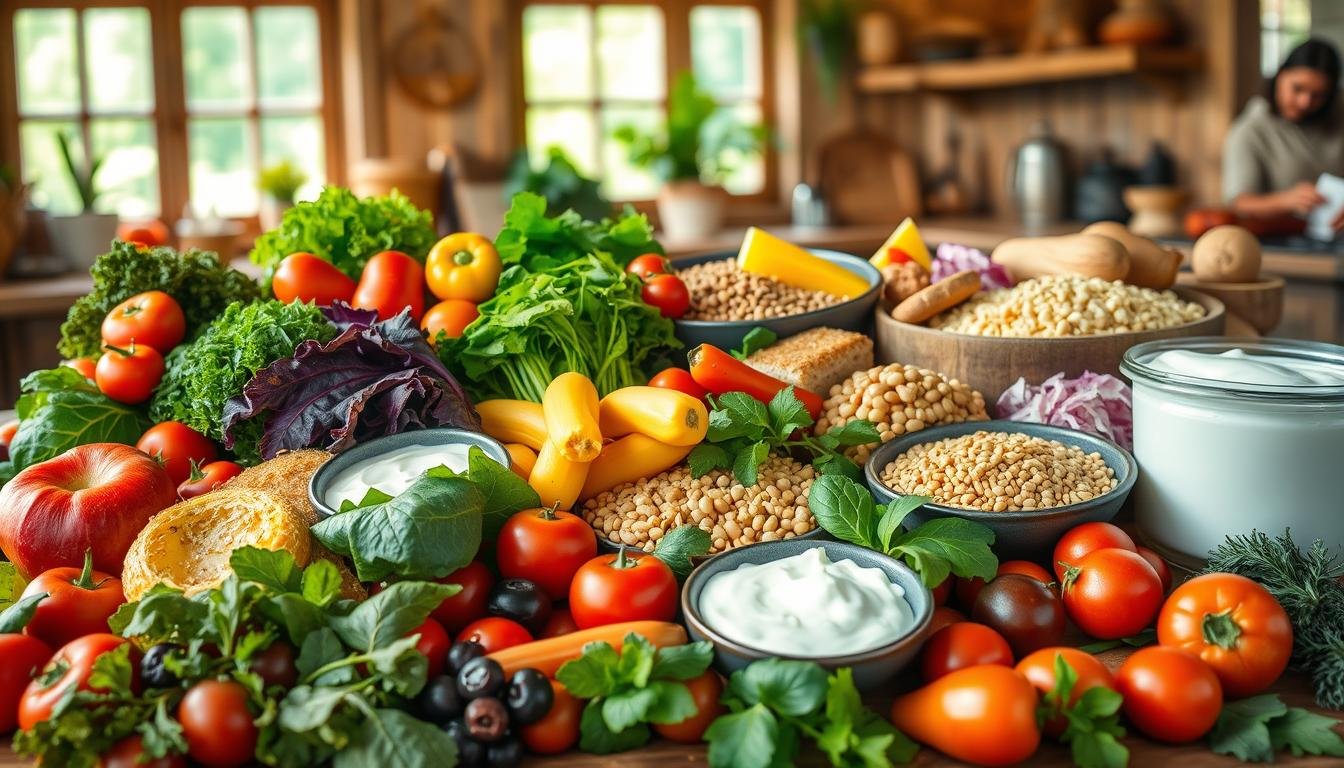
Choosing the right ingredients helps your microbiome thrive and eases digestive strain. Build plates that center leafy greens, fermented options, and balanced fats to nourish lining cells and feed helpful microbes.
Leafy greens and berries
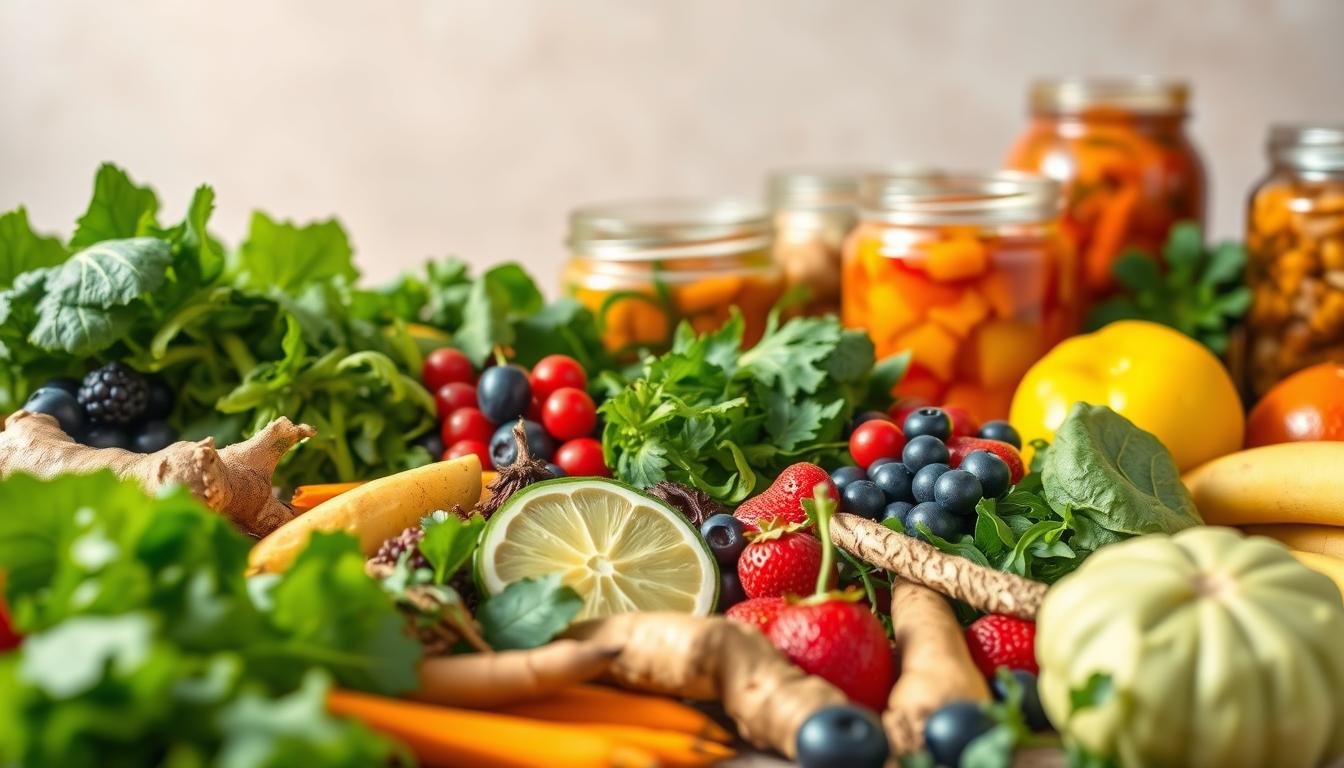
Spinach, kale, and Swiss chard deliver magnesium, fiber, and antioxidants that help bowel regularity. Berries—blueberries, raspberries, strawberries—add polyphenols and fiber to protect the lining and fight oxidative stress.
Fermented items and fatty fish
Plain yogurt, kefir, kimchi, miso, and sauerkraut seed your microbiome with live probiotics. Fatty fish like salmon, sardines, and mackerel supply omega-3s linked to lower inflammation in the colon.
Whole grains, legumes, nuts, and oils
Oats, quinoa, barley, and brown rice give soluble fiber that feeds bacteria and steadies bowel movements. Beans, lentils, and peas add plant protein and prebiotic fiber; introduce them slowly to limit bloating.
Walnuts, flax, and chia improve your fatty-acid balance, and extra-virgin olive oil or other unsaturated oils are better for cooking and dressings to help reduce inflammation.
- Plate rule: center vegetables and fruits for antioxidants and polyphenols, add a quality protein and healthy fat.
- Use tea and spices—green tea, turmeric, ginger—to layer bioactive compounds into daily meals.
Probiotics and Prebiotics: Feed and Seed Your Gut
You can encourage a diverse microbiome by combining cultured items with prebiotic carbohydrates gradually. Start small and increase intake so your system adapts without excess bloating.

Probiotic foods to diversify your microbiome
Seed beneficial bacteria by adding plain yogurt, kefir, kimchi, miso, tempeh, or fermented vegetables like sauerkraut to meals several times a week. These foods are easy to fold into breakfasts, bowls, and sauces.
Prebiotic fibers that boost short-chain fatty acids
Feed those microbes with steel-cut oats, bananas, ground flax, chia, hemp seeds, garlic, onions, barley (if you tolerate gluten), chicory root, artichokes, leeks, and asparagus. These sources of soluble fiber help microbes make short-chain fatty acids that calm inflammation and improve stool consistency.
- Pair probiotics and prebiotics across the week to widen benefits for gut health and the immune system.
- Favor soluble fiber slowly, hydrate well, and monitor your body’s response to avoid discomfort.
- Blend yogurt into smoothies or stir seeds and oats into bowls to make daily use simple and practical.
Fiber and Whole Grains: Daily Habits that Calm the Bowel
Daily fiber choices shape how your bowel feels and how reliable digestion is each day.
Soluble fiber (oats, beans, lentils, flax, chia) soaks up water and forms a gentle gel. It steadies blood sugar, helps fullness, lowers cholesterol, and keeps stools soft.
Insoluble fiber (skins, seeds, bran, stringy bits of fruits vegetables and whole kernels) adds bulk and keeps stools moving. Pair both types to calm digestion and reduce discomfort.
- Favor whole grains like brown rice, oats, barley, quinoa, and farro instead of refined carbs.
- Combine plant items such as nuts, seeds, and legumes with a protein source for balanced meals.
- Increase fiber intake slowly and drink water through the day so your system adapts.
- Rotate grains and high-fiber foods during the week to boost variety and microbial range.
| Fiber Type | Key Examples | Main Benefits |
|---|---|---|
| Soluble | Oats, beans, lentils, flax, chia | Softens stool, steady energy, lowers cholesterol |
| Insoluble | Bran, fruit skins, whole grains | Adds bulk, speeds transit, eases constipation |
| Daily Goal | Women ~25g / Men ~38g | Predictable digestion, lower inflammation, better overall health |
Foods and Ingredients That Can Worsen Gut Inflammation
Some everyday items on your plate can make intestinal irritation worse and slow recovery. Know which triggers raise the chance of flare-ups so you can swap them out without a full diet overhaul.
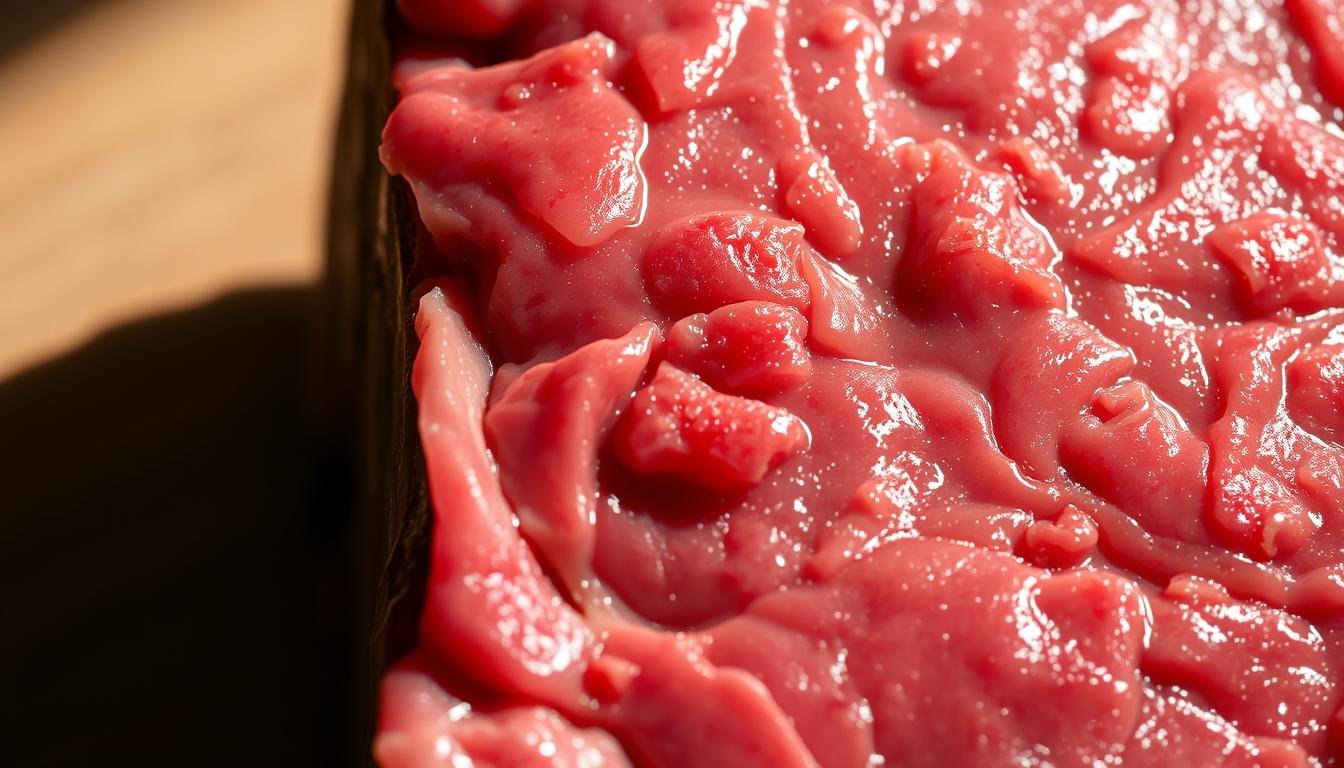
Red and processed meats, and why processing matters
High intake of red meat and especially processed meats links to higher colorectal cancer risk. Preservatives, smoking, and curing add compounds that may irritate the lining and feed harmful bacteria.
Refined carbohydrates and added sugars that disrupt balance
Refined carbohydrates and excess sugars favor less-helpful microbes and can drive blood sugar swings. Cutting these back helps rebalance your microbiome and lower ongoing inflammation.
Alcohol, caffeine, and ultra-processed foods that irritate the gut
Excess alcohol and large amounts of caffeine can irritate the lining. Many ultra-processed foods contain poor-quality oils, trans fats, and additives that disturb microbial balance.
Trans fats and certain emulsifiers to keep off your plate
Avoid trans fats (partially hydrogenated oils) and emulsifiers like carrageenan, maltodextrin, polysorbate 80, and carboxymethylcellulose. These additives are common in fast food and packaged items and may worsen symptoms for people with sensitive guts.
- Limit red meat and processed meats to protect your colon and lower long-term risk.
- Reduce refined carbohydrates and added sugars to calm microbes that drive inflammation.
- Choose minimal, whole foods and read labels to avoid problematic additives and trans fats.
- Moderate alcohol and caffeine; follow IBD-AID guidance on specific beverages if you follow that plan.
Smart Eating Tips to Reduce Inflammation Without Overhauling Your Life
Simple swaps at breakfast, lunch, or dinner can steadily improve how you feel each day. Use small, practical changes so you keep the plan and notice progress in a week or two.
Start slow with fiber and hydrate well
Increase fiber gradually so your system adapts without bloating. Drink water throughout the day to help fiber move and to reduce discomfort.
Add before you subtract to build sustainable meals
Layer in more whole, plant-rich items like greens, berries, whole grains, beans, nuts, and olive oil. These choices naturally replace processed options and improve daily intake.
Track what you eat and partner with a registered dietitian
Keep a simple food log for a few weeks to link meals with symptoms and energy. When you need a tailored plan—especially with IBS or IBD—work with a registered dietitian or dietitian for safe, effective steps.
- Begin with small, steady fiber increases and steady hydration so the change sticks.
- Add nourishing choices first to crowd out less helpful items over time.
- Write a short note each day to spot patterns and guide adjustments.
- Plan repeatable meals that fit your budget and schedule for long-term health.
- Use simple swaps—tea or water instead of sweet drinks—to reduce inflammation with minimal effort.
“Progress is 80/20: aim for steady, flexible improvements rather than perfection.”
The IBD-AID Approach: Phased Eating for Flares and Remission
If you notice worsening symptoms, phase-based eating can help stabilize inflammation while keeping nutrition steady.
IBD-AID uses four daily components: probiotics, prebiotic soluble carbohydrates, avoidance of trigger carbs and additives, and balanced nutrition from varied fruits, lean proteins, healthy oils, nuts, and fish.
Phase 1: Soft, blended, and soothing
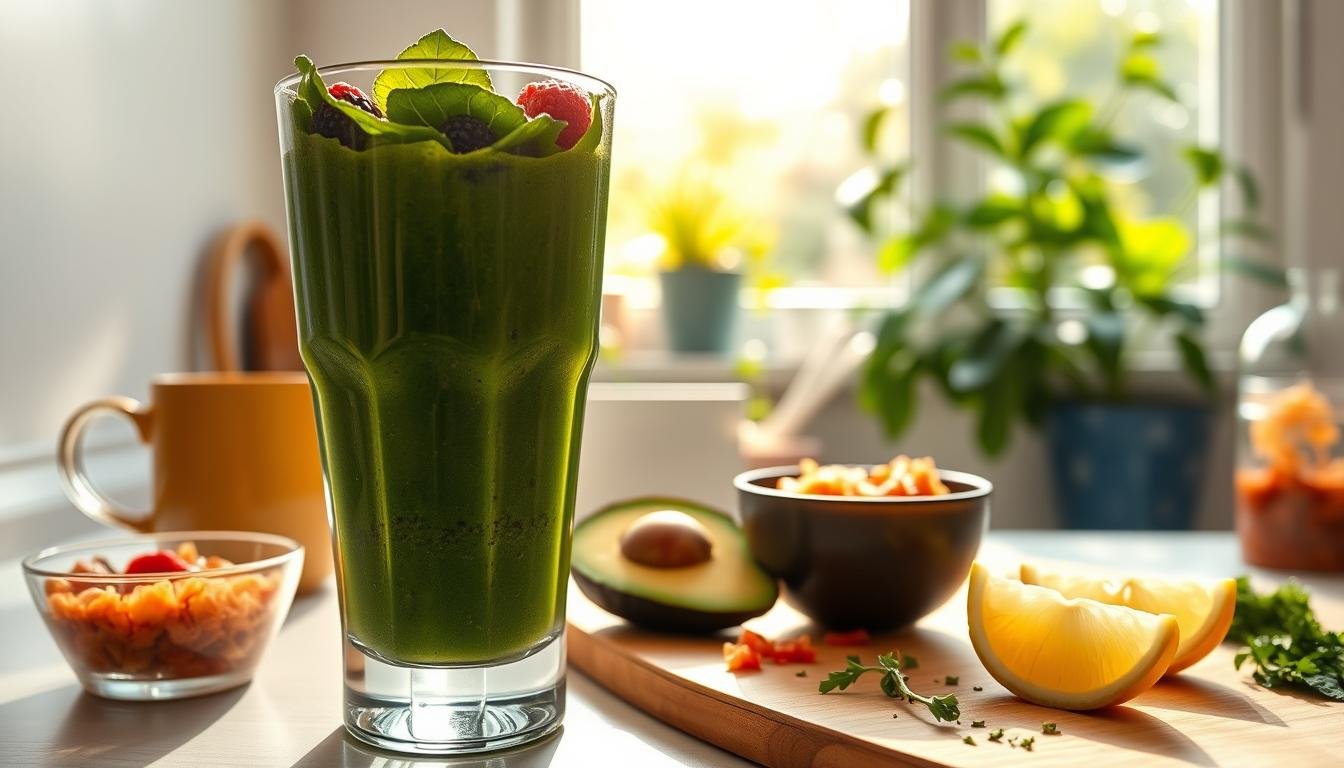
Focus on gentle textures to lower workload on your digestive system. Choose smoothies with probiotic yogurt, well-cooked oats, pureed soups, miso, and ground fish or poultry.
Phase 2: Gentle textures and more variety
As you improve, add soft greens, pureed beans or lentils, well-cooked meats, aged cheeses, and nut butters. Baked items using bean or nut flours can widen choices while keeping comfort first.
Phase 3: Diverse, fiber-forward eating
Maintain remission with a broader range: stir-fried vegetables, whole beans, shellfish, citrus, and cooked apples. Use olive oil and allowed oils for cooking and flavor.
“Work with a registered dietitian to pace advances and tailor the plan to your needs.”
- Build meals around probiotics and soluble prebiotics to help short-chain fatty acid production and calmer inflammation.
- Avoid lactose, wheat, refined sugar, corn, trans fats, fast food, and emulsifiers that stress the system.
- Limit alcohol; choose coffee and tea mindfully. Consult a dietitian to personalize phases safely.
Putting It Together: Sample Day Ideas for Anti-Inflammatory Eating
Plan simple plates so each day feels easy and nourishing. Small, repeatable meals help you stick with choices that reduce inflammation and boost long-term health.
Breakfast: Slow-cooker oats with ground flax and blueberries, or kefir topped with gluten-free granola and banana. These options add fiber, probiotics, antioxidants, and polyphenols to start your morning.
Lunch: A Mediterranean chickpea bowl with mixed vegetables, spinach, and a drizzle of olive oil and lemon. Or enjoy a red pepper–tomato soup with avocado and a light cheese scramble for added protein and healthy fats.
Dinner: Baked salmon with miso glaze, cooked greens, and quinoa, or tofu stir-fry with zucchini and brown rice. Center meals on fatty fish or plant proteins with cooked vegetables and whole grains for steady digestion.
Snacks & sips: Walnuts, chia-yogurt pudding, cinnamon apple slices, and green tea. Try turmeric-ginger tea or a pinch of black pepper for warming compounds that help combat inflammation.
| Meal | Example | Key benefit |
|---|---|---|
| Breakfast | Oats + kefir + berries | Fiber, probiotics, antioxidants |
| Lunch | Chickpeas, greens, olive oil | Protein, healthy fats, polyphenols |
| Dinner | Salmon, cooked vegetables, quinoa | Fatty fish, whole grains, steady energy |
| Snacks | Walnuts, fruit, tea | Quick fuel, nuts for healthy fats |
- Include at least one fiber-rich choice at each meal to aid digestion and gut comfort.
- Use quality oils for cooking and flavor to keep meals heart- and gut-friendly.
- Adjust textures to your current phase: softer options on hard days, more variety when you feel strong.
- Repeat favorites through the week to simplify planning while keeping enough variety to support health.
Conclusion
Over weeks and months, gentle shifts in diet lower chronic inflammation and improve bowel regularity.
Consistency matters more than one perfect meal. Choose fiber-rich produce, whole grains, fermented items, healthy fats, and regular hydration to gain lasting benefits for your health and body.
These choices can help reduce inflammation, lower long-term colorectal cancer risk, and ease everyday bowel symptoms. Track progress and use simple tips—start slow, drink water, and plan meals ahead.
If symptoms persist, consult a dietitian to tailor a phased plan to your system and medical history. Small, steady changes add up and keep you moving toward better gut health.
FAQ
What are the best foods to help calm gut inflammation and promote healing?
How do probiotics and prebiotics differ, and why do they matter for your microbiome?
Can whole grains really reduce bowel irritation, and how should you add them?
Which common ingredients are most likely to worsen gut inflammation?
How quickly will you notice benefits after changing your diet to include these items?
Are fatty fish and plant-based omega-3s interchangeable for reducing inflammation?
How should you introduce fiber and fermented foods if you have a sensitive bowel or IBD flare?
Do spices like turmeric and ginger actually help reduce gut inflammation?
Can reducing processed meats and added sugars lower your risk of gut-related disease?
What practical habits make these dietary changes sustainable day to day?
Affiliate Disclosure: Some of the links in this post are affiliate links. This means I may receive a small commission if you purchase through my links, helping me keep this site running — at no additional cost to you.