

You host trillions of microbes in your digestive tract. These bacteria help break down foods, make vitamins, and talk with your immune system.
Your microbiome shapes digestion, metabolism, and even mood. Clinicians stress a food-first approach: diverse, whole-food meals can lower inflammation and support a resilient community of microbes.
Small diet shifts can change the microbiome in days. Focus on plant diversity, fiber-rich choices, and fermented items while cutting back on ultra-processed products and excess sugar.
Practical habits matter: meal timing, smart drink choices, regular movement, sleep, and stress steps all boost digestive health and overall health. You’ll get clear, simple actions that fit daily life.
Key Takeaways
- Everyday meals can support your microbiome without pills.
- Eat diverse plants, fiber, and fermented foods.
- Limit processed foods and added sugars.
- Hydration, activity, sleep, and stress control reinforce gains.
- Watch for red flags and seek professional care when needed.
Why Your Gut Microbiome Matters for Overall Health
Trillions of tiny organisms live in your intestines and help you every day. These microorganisms include bacteria, viruses, and fungi that assist vitamin production and metabolism. They also send signals that shape your immune system and affect overall health.
Balance matters. About 70% of your immune defenses sit near the gut lining. When that barrier weakens, bacterial products can spark inflammation and trigger symptoms beyond the bowel, such as brain fog, joint pain, or skin rashes.
Good bacteria, immune balance, and inflammation links
Your microbiome helps keep immune responses steady. Friendly bacteria support nutrient processing and lower the risk of chronic inflammation. A resilient gut community helps your body manage energy and reduces disease risk over time.
Dysbiosis: signs your gut ecosystem is off
- Common GI symptoms: bloating, gas, constipation, diarrhea, or changes in bowel habits.
- Extraintestinal issues: headaches, fatigue, brain fog, joint or skin problems.
- Higher risk after antibiotics: disruption can permit pathogen overgrowth, including serious infections.
Watch for persistent symptoms and protect your microbiome with balanced food choices, sensible antibiotic use, and stress reduction. These steps support immune balance and help keep inflammation in check.
How to Improve Gut Health Naturally (Without Supplements)
Feeling foggy, stuck, or emotionally off?
- • Trouble focusing or feeling scattered
- • Low energy or emotional drive
- • Feeling disconnected or stuck
These tools can help you reset, refocus, and reconnect:
- 🔋 Mitolyn
- Cellular energy & mitochondrial support
- 🌙 SleepLean
- Restful sleep & metabolic balance
- 💧 ProstaVive
- Prostate comfort & urinary support
A few simple swaps in your weekly menu can expand the range of microbes that live in your gut. Aim for variety: eating many plants each week nourishes more microbial types and tends to raise bacterial diversity.
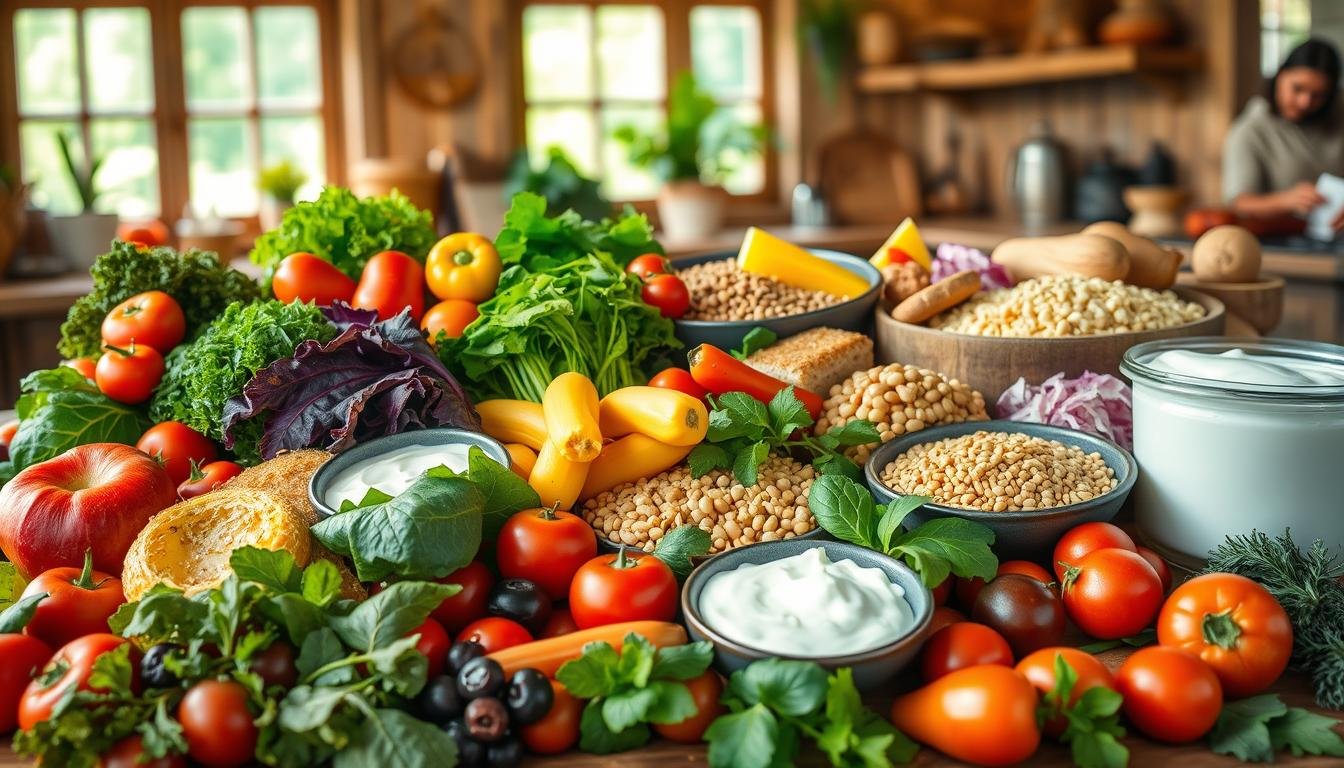
Core principles are simple. Center meals on whole foods—fruits, vegetables, legumes, whole grains, nuts, and seeds—rather than packaged, ultra-processed items. Research links Mediterranean-style patterns with broader microbiome diversity and better markers for heart and metabolic health.
Limit added sugars and highly processed snacks. These items often promote unfavorable microbes and can upset your stomach. Also, keep regular mealtimes and a nightly cutoff for eating so your gut has a daily rest window.
- Prioritize diversity: add one new plant food each week to reach about 30 different plants per week.
- Build fiber slowly so bacteria adapt without extra bloating or discomfort.
- Make small, repeatable habits—consistency matters more than perfection.
Remember: meaningful shifts in diet can alter the microbiome within days, and steady habits compound into lasting gut health gains.
Stock Up on Probiotic Foods to Nurture Good Bacteria
Adding a few fermented servings each week gives your gut new bacterial allies. Probiotic foods deliver live microorganisms through digestion and can help support a resilient microbiome. Choose a variety so you expose your system to different strains.
Yogurt, kefir, sauerkraut, kimchi, miso, tempeh, kombucha
Easy picks: Greek yogurt with live and active cultures, plain kefir, sauerkraut, kimchi, miso, tempeh, and kombucha give you practical sources of probiotics.
Start with small portions and rotate these foods across the week. For example, try yogurt at breakfast and kimchi with dinner. This variety helps introduce new bacteria without overwhelming your stomach.
Why food-first beats pills for many people
Many probiotic supplements do not survive stomach acid. Food carries live cultures through digestion more naturally. Combining fermented items with fiber-rich foods can help those microorganisms thrive once they reach the colon.
Low-sugar choices to protect beneficial microbes
Pick unsweetened or low-sugar varieties so you don’t undermine good bacteria with excess sugar. Small swaps—plain kefir sweetened with berries or miso-based dressings—keep sugar low and add prebiotic fiber.
“Consistent, varied fermented foods often show practical benefits for people, according to research.”
- Mix yogurt with berries and ground flax for added prebiotic fuel.
- Rotate fermented foods during the week for strain diversity.
- Watch symptoms and adjust portions if a food irritates your stomach.
| Food | Main Benefit | Sugar Note |
|---|---|---|
| Greek yogurt | Live cultures, protein | Choose plain, add fruit |
| Sauerkraut / Kimchi | Fermented vegetables, varied strains | Low sugar |
| Kefir / Kombucha | Multiple microorganisms, drinkable | Pick unsweetened options |
Tip: Combine probiotic foods with prebiotic-rich ingredients at meals; consistency and variety drive the best effects for long-term gut health.
Feed Your Microbiome with Prebiotic Fiber
Undigested plant carbs act as food for beneficial bacteria in your intestines. Prebiotics like fructans and oligosaccharides reach the colon where they nourish helpful microbes and support metabolism.
Classic prebiotic vegetables:
- Garlic, onions, and leeks—easy adds to many dishes.
- Asparagus, chicory, and Jerusalem artichokes—high prebiotic content.
Everyday whole-food sources:
- Whole grains such as oats, plus seeds like flax and chia.
- Legumes—chickpeas, lentils, and beans provide galactooligosaccharides that encourage Bifidobacteria and help stabilize your microbiome.
Start slowly so your gut adapts without excess gas. Spread fiber across the day and drink water to ease digestion. Pair prebiotic foods with probiotic choices at meals for a synergistic effect.
Rotate fruits and vegetables so your gut gets varied nutrients and prebiotic types. Pay attention to how your body feels and adjust portions so these foods work for you long term.
Eat the Rainbow: Aim for 30 Different Plants Per Week
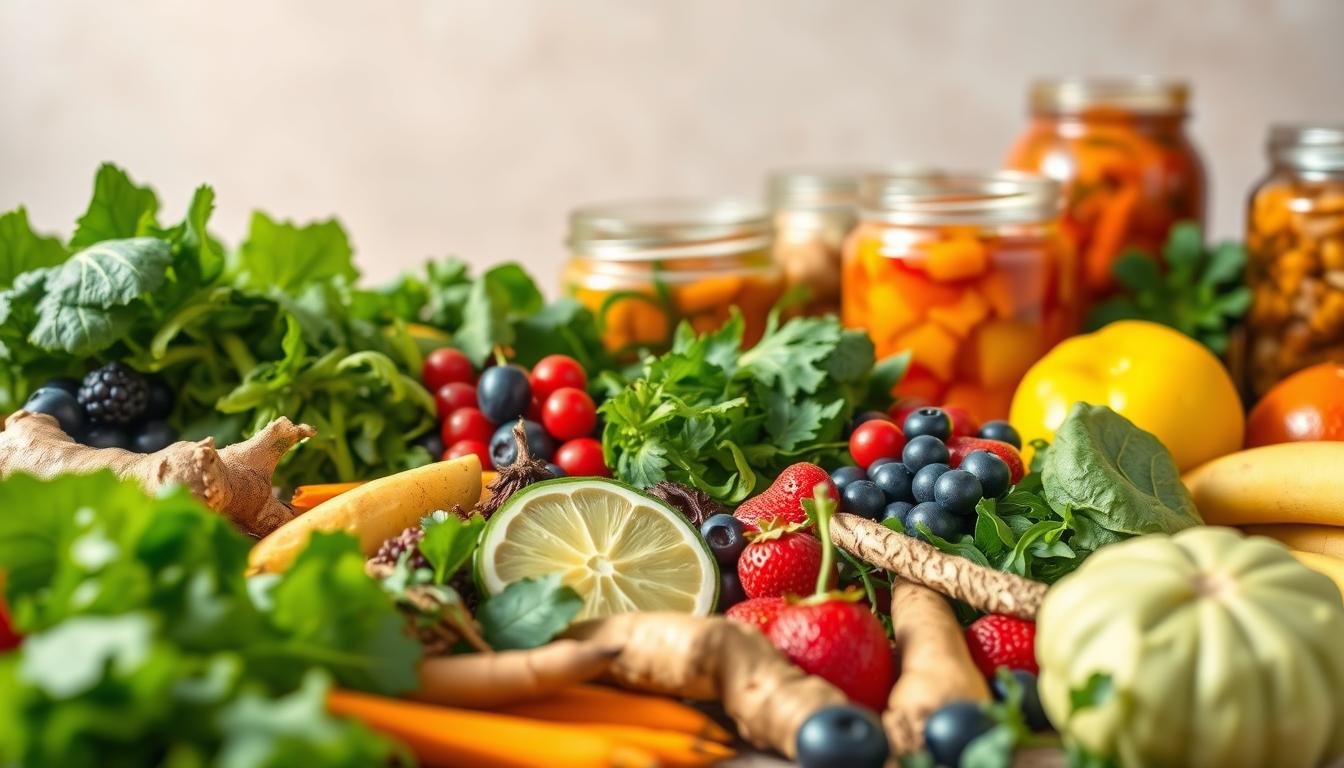
Colorful plates pack more than beauty—they feed many kinds of microbes that keep your gut balanced. Experts suggest you aim for 30 different plant foods each week. Count fruits, vegetables, herbs, spices, nuts, seeds, beans, and whole grains.
Polyphenols and fiber work together. Polyphenol-rich berries, colorful vegetables, herbs, and nuts reach the large intestine. Microorganisms convert them into beneficial metabolites that support a healthy gut and may lower disease risk.
Simple swaps to boost plant diversity
- Choose mixed greens instead of romaine at lunch.
- Mix a nut-seed blend rather than only almonds for snacks.
- Make a three-bean chili rather than a single-bean version.
- Sprinkle oregano, turmeric, or cinnamon for extra polyphenols.
- Build smoothies or grain bowls that combine multiple plants in one meal.
“Research links plant diversity and Mediterranean-style patterns with more favorable bacteria and improved health markers.”
| Action | Why it helps | Easy example |
|---|---|---|
| Count plants weekly | Track diversity and meet the 30-goal | Keep a simple checklist |
| Add color | More polyphenols and fiber | Blueberries + red peppers |
| Rotate herbs & spices | Extra plant compounds for microbes | Oregano one night, turmeric the next |
Start gradually so your body adjusts. Keep a running list of plants you eat each day and aim for variety rather than perfection. Small, steady steps help build a resilient microbiome and a healthier gut over time.
Choose Whole Grains, Legumes, Nuts, and Seeds
Whole grains, legumes, nuts, and seeds offer steady fiber and nutrients that favor beneficial bacteria in your gut.
Whole grains such as oats, rye, quinoa, buckwheat, and bulgur link with greater microbiome diversity. Rotate grains across the week to broaden the range of prebiotic fibers and micronutrients you eat.
Legumes — chickpeas, lentils, beans, and peas — deliver fiber and galactooligosaccharides that feed helpful microbes. Batch-cook legumes so you have prebiotic-rich meals ready during the day. Start with small portions and increase slowly if your gut needs time to adapt.
Nuts and seeds add fiber, polyphenols, and omega-3 fats. Higher omega-3 intake often correlates with more diverse microbiome markers and better long-term health.
- Combine grains and legumes for complete protein and steady energy.
- Use simple add-ins like tahini or pumpkin seeds to upgrade bowls and salads.
- These staples, when part of a balanced diet, may lower disease risk over time.
| Food Group | Key Benefit | Easy Tip |
|---|---|---|
| Whole grains | Fiber that supports gut bacteria | Try oats or quinoa for breakfast |
| Legumes | Prebiotics (galactooligosaccharides) | Batch-cook chickpeas or lentils |
| Nuts & seeds | Omega-3s, polyphenols, fiber | Sprinkle seeds on salads or bowls |
Tip: Small, consistent swaps build a gut-friendly diet that supports gut health and overall health for people who want lasting change.
Smart Drinks: Coffee, Water, and What to Limit
What you sip can affect digestion, bacteria balance, and overnight rest. Drinks join foods in shaping your gut and microbiome each day.
Coffee and diversity: Observational research links regular coffee intake with higher microbiome diversity. In many studies, heavier coffee consumers showed broader bacterial profiles. Enjoy coffee, but watch added sugar and creamers that can raise disease risk over time.
Hydration and routine: Water supports comfortable bowel function and helps the digestive system move smoothly. Adjust intake for activity and climate, and avoid large amounts late at night so your gut gets a rest window.
Sweeteners and effects: Artificial sweeteners can interact with bacteria and may change glucose responses for some people. Limit sugar-sweetened drinks and choose unsweetened kombucha or kefir water if you want probiotic beverages with little added sugar.
- Note your stomach—if a drink causes discomfort, scale back and reintroduce slowly.
- Prioritize plain water and moderate coffee for most days.
- Remember that beverages complement your foods; they can support or hinder gut health.
Lifestyle Habits That Strengthen Your Gut
Daily routines you keep outside the kitchen shape which microbes thrive in your intestine.
Move regularly. Gentle exercise like walking, cycling, yoga, or swimming helps raise microbial diversity and supports overall health.

Exercise that fits your life
Aim for consistent activity most days. Combine low-intensity cardio with simple strength or mobility work based on your body’s needs.
Stress management and the vagus nerve
High stress can disrupt the gut-brain link and weaken vagal signaling. Use deep breathing, short meditations, or mindfulness to calm the system.
Sleep, meal timing, and a daily rest window
Keep a steady sleep schedule. Limit late-night eating so your gut gets a daily rest window and the microbiome can recover.
“Small, consistent habits around movement, stress, and sleep compound into meaningful gut health gains.”
- Move most days: walking or gentle classes for variety.
- Practice breathwork or meditation to lower stress and protect the vagus nerve.
- Track simple habits—steps, bedtime, breathwork minutes—to stay consistent.
| Habit | Why it helps | Simple start |
|---|---|---|
| Daily exercise | Supports microbiome diversity | 20–30 min walk |
| Stress practices | Protects gut-brain signaling | 5 min breathing |
| Consistent sleep | Boosts recovery and microbial balance | Same bedtime nightly |
Tip: Notice how stress or poor sleep affects digestion. Small habit changes often help people see steady gains for gut health.
Be Antibiotic-Savvy and Mind Processed Foods
Antibiotics can be life-saving, yet they also reshape the community of microbes that live in your gut. Use them only when necessary and follow the exact instructions your clinician gives. Missing doses or stopping early can worsen resistance and harm your microbiome.
Why care? Antibiotics may clear an infection but can also let opportunists like C. difficile overgrow and cause toxin-driven illness. That makes mindful use critical for long-term gut health and system resilience.
Use antibiotics only when necessary and as directed
Take the full course when prescribed unless your clinician advises otherwise. Discuss risks and benefits if you are unsure. If side effects occur, call your provider rather than stopping on your own.
Why limiting ultra-processed foods benefits your gut
Diets high in ultra-processed foods favor less helpful bacteria and inflammation. Swap packaged items for simple, whole ingredients so good bacteria have the fiber and nutrients they need.
“Protecting your microbiome reduces the risk of complications linked to dysbiosis, including worsening inflammatory bowel disease and related bowel disease states.”
- Use antibiotics only when needed and follow directions exactly.
- Support recovery with nutrient-dense meals and consider probiotics if a clinician recommends them temporarily.
- Keep minimally processed staples on hand so you choose whole foods under stress.
| Action | Why it helps | Practical tip |
|---|---|---|
| Cautious antibiotic use | Limits microbiome disruption and lowers infection risk | Ask your clinician about necessity before starting |
| Eat whole foods | Feeds beneficial bacteria and reduces inflammatory signals | Batch-cook legumes, grains, and vegetables |
| Temporary probiotics (if advised) | May speed recovery of helpful species after antibiotics | Use clinician-recommended strains and duration |
When to Talk to a Doctor or Nutritionist
If your usual bowel pattern shifts for weeks, it’s time to get professional input. Seek care for unexplained abdominal pain, blood in the stool, or rapid weight loss. These signs can indicate conditions that need prompt evaluation.
Red flags that warrant immediate attention include blood in stool, persistent stomach pain, or a new, lasting change in bowel habits. Normal frequency ranges widely, so a change from your baseline matters most.
Testing, fiber guidance, and elimination strategies
Clinicians may order stool studies such as fecal calprotectin to flag intestinal inflammation. You might need a colonoscopy or upper endoscopy if red-flag symptoms or ongoing issues appear.
Diet and symptom management are often individualized. Soluble fiber can help diarrhea by absorbing excess water, while overall fiber softens hard stools. Work with a clinician before starting elimination diets; testing for celiac disease (tissue transglutaminase) is important when suspected.
“A short probiotics trial may help bloating, gas, and non‑bloody diarrhea once serious disease is excluded.”
- Contact your doctor for blood in stool, unexplained weight loss, persistent pain, or changed bowel pattern.
- Expect targeted tests and endoscopic evaluation when needed.
- Partner with a nutritionist to tailor fiber type and elimination strategies safely.
| Issue | Possible next step | Why it helps |
|---|---|---|
| Persistent diarrhea | Stool studies, fiber guidance | Rules out inflammation and guides treatment |
| Blood in stool | Colonoscopy | Visualize and biopsy suspicious areas |
| Suspected celiac | Blood test + biopsy | Confirm diagnosis before dietary changes |
Conclusion
strong, small, steady swaps in food and daily habits can reshape your microbiome within days. Prioritize plant variety, prebiotic fiber, and low‑sugar fermented choices most days to nurture a healthy gut and support overall health.
Pair those meals with regular movement, better sleep, and simple stress steps. These lifestyle pillars protect bacteria balance, aid metabolism, and reinforce gut health so gains last.
Limit ultra‑processed items, excess sugar, and unnecessary antibiotics. Watch for red‑flag symptoms and see a clinician if issues persist. Focus on progress over perfection—consistent changes each day build lasting health for you and your microbiome.
FAQ
Why does my gut microbiome matter for overall health?
What signs indicate dysbiosis or an off ecosystem?
What core principles should I follow for better gut support?
Which foods act as natural probiotic sources?
Why choose food-first over probiotic pills?
What are the best prebiotic foods to feed beneficial microbes?
How can I reach the goal of eating 30 different plants per week?
Which whole grains and legumes are especially helpful?
Does coffee affect microbial diversity?
Should I worry about artificial sweeteners and gut function?
How do exercise, stress, and sleep affect the microbiome?
What should I know about antibiotic use and processed foods?
When should I see a doctor or registered dietitian?
Can small daily habits really change my microbiome?
Affiliate Disclosure: Some of the links in this post are affiliate links. This means I may receive a small commission if you purchase through my links, helping me keep this site running — at no additional cost to you.