
Learning to spot a great air fryer recipe can save you time and prevent soggy food. This guide will help you find recipes that cook food crisp and evenly, just like deep-frying but with less oil.
Countertop air fryers work by circulating hot air to crisp food, similar to a small convection oven. This is why the right techniques and timing are key when checking out a recipe.
Air fryers are great for many dishes, from breakfast to desserts. They can handle frozen foods and homemade items like chicken wings, fries, and even cookies.
Remember, air fryers are smaller than regular ovens. This means you might need to cook in batches for big meals. Recipes with clear steps and times are likely to work well for any size.
Experts say air fryers are like toaster ovens or small convection ovens. Brands like Proctor Silex agree that simple recipes usually work best. By looking for ingredient lists, technique tips, ratings, and photos, you can find top recipes without having to try them all.
Key Takeaways
- Learn to spot clear instructions and measured times to predict success.
- Look for recipes that apply air-fryer principles like hot-air circulation and spacing.
- Prefer simple, well-rated recipes from trusted sources for best results.
- Watch for realistic portion sizes and batch guidance to match appliance capacity.
- Use photos, reviews, and technique notes to identify reliable recipes without cooking.
Understanding Air Fryer Recipes
You want recipes that give you crisp, even results with no guesswork. A good air fryer recipe tells you the temperature, time, and how to arrange food. This way, hot air can work its magic.
High-performing recipes have steps you can follow to get the same results every time. They tell you when to add oil, how to shake or flip food, and how to cut pieces. This helps you avoid mistakes and feel more confident in the kitchen.
What Makes a Recipe High-Performing?
Look for recipes with exact temperatures and times. Recipes that give a baseline, like 375°F for many vegetables, are a good start. They also mention how to avoid overcrowding the basket.
Good recipes also tell you when to turn or shake food and if you should add oil before or after browning. They often include prep steps like drying foods and preheating the air fryer. These details show what makes a recipe high-performing.
Key Ingredients to Look For
Feeling foggy, stuck, or emotionally off?
- • Trouble focusing or feeling scattered
- • Low energy or emotional drive
- • Feeling disconnected or stuck
These tools can help you reset, refocus, and reconnect:
- 🔋 Mitolyn
- Cellular energy & mitochondrial support
- 🌙 SleepLean
- Restful sleep & metabolic balance
- 💧 ProstaVive
- Prostate comfort & urinary support
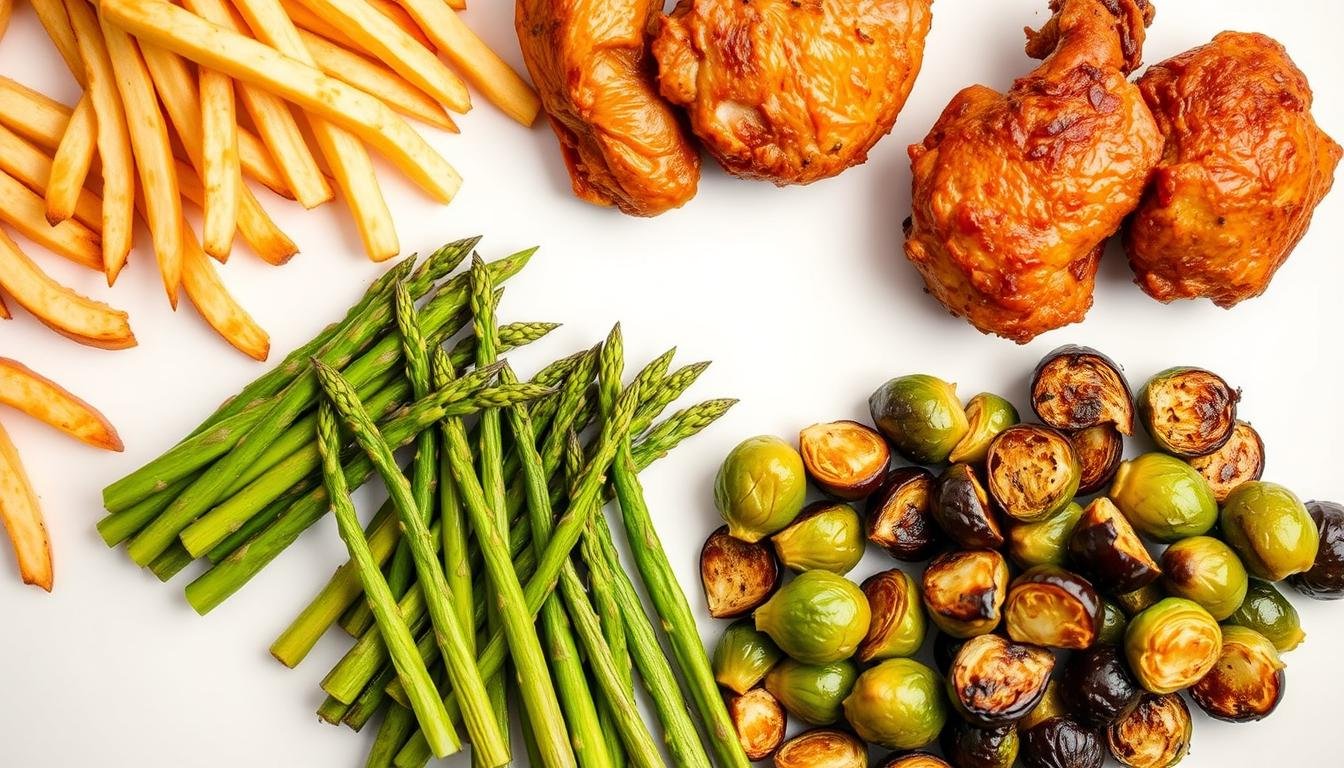
Some ingredients work well in the hot air of an air fryer. Look for chicken wings, potato-based foods, extra-firm tofu, and frozen prepared foods. Also, Brussels sprouts, cauliflower, broccoli, baby carrots, butternut squash, and sturdy potatoes are great choices.
Avoid thin items or delicate vegetables that can burn. Also, skip wet batters that prevent browning. Remember to pat dry foods, apply oil at the right time, and season to enhance crispness and flavor.
| Feature | Why It Matters | How to Identify |
|---|---|---|
| Clear temperature & time | Delivers consistent doneness and browning | Exact numbers like 375°F and minutes per weight or thickness |
| Batch-size guidance | Prevents crowding and uneven cooking | Notes on basket capacity or servings per batch |
| Turning/shaking steps | Ensures even browning on all sides | Scheduled shake intervals or flip instructions |
| Oil timing | Controls crispness without sogginess | Instructions to oil before cooking or after initial browning |
| Ingredient suitability | Predicts success based on texture and moisture | Lists foods like wings, potatoes, tofu, and hearty veggies |
| Prep tips | Improves final texture and flavor | Guidance to pat dry, cut uniformly, and season properly |
Recipe Ratings and Reviews
Before trying a new air fryer dish, check the recipe ratings and reviews. User feedback shows if a recipe works well in real kitchens. It tells you if it gets crispy, cooks right, or needs tweaks for your model.
Short, clear comments from other cooks help you quickly see if a recipe is good. They share their experiences, making it easier to choose.
The Importance of User Feedback
Look for common themes in comments. If many say it’s soggy or burnt, it’s a warning sign. But, if lots of people praise the browning or cooking time, it’s likely to work well across different air fryers.
Notes on oil type, preheat time, and how to load the basket are key. Photos from users show you what to expect. Seeing many cooks get similar results helps you find the best recipes.
Where to Find Trusted Reviews
Start with lists and collections from trusted sources. These include big recipe collections that test many dishes. They give you a wide view to compare different recipes.
Look at well-known media like NBC News BETTER and cooking websites with editors. Also, check out recipe hubs from appliance brands and active communities on Reddit and Facebook. Cook Smarts and tips from chefs like Jess Dang offer expert advice.
Compare reviews from different places and check when they were posted. This ensures the info is up-to-date and relevant to your air fryer model. It helps you find reliable reviews and spot top recipes.
Recipe Consistency
To check a recipe without cooking, look for clear notes on portions, temperatures, and outcome cues. Recipes that are consistent help you predict results in any kitchen. It’s important to know if amounts are by weight or volume and if steps are for basket or oven-style air fryers.
Importance of Reliable Measurements
Reliable measurements are key to avoiding variability. Recipes that list both grams and cups or teaspoons make it easier to switch models and scales. Recipes from Martha Stewart or Serious Eats often use weight, which helps avoid guesswork.
Look for internal temperature targets for meat and visual cues like golden-brown or crisp edges. These details help make the recipe repeatable when you don’t cook it.
Common Cooking Time References
Timing benchmarks help you judge if a recipe is plausible. For example, vegetables cook in about 20 minutes with an oil toss at 10 minutes. Tofu takes 15–20 minutes with one shake, mini pizzas 10–12 minutes, baked potatoes 30–40 minutes, taquitos 12–15 minutes, and mini frittatas 20–25 minutes.
Recipes that note device type or conversions between basket and oven-style units account for model variance. Many cooks use 375°F as a baseline for predictable outcomes when they evaluate instructions.
| Food Item | Typical Time | Key Cue |
|---|---|---|
| Mixed Vegetables | 20 minutes | Oil toss at 10 minutes; edges slightly charred |
| Firm Tofu | 15–20 minutes | Shake basket once; golden exterior |
| Mini Pizza | 10–12 minutes | Cheese melted and edges crisp |
| Baked Potato | 30–40 minutes | Skin blistered; interior 205°F |
| Taquitos | 12–15 minutes | Turns uniformly golden |
| Mini Frittatas | 20–25 minutes | Set center; slight rise and browning |
Visual Appeal of Recipe Photos
Your eyes judge a recipe before your taste buds get a chance. Strong visual appeal of recipe photos signals that the author paid attention to testing, portioning, and final texture for air fryer capacity. When you evaluate recipe photos, you learn about realistic results and likely cook times without running the oven.
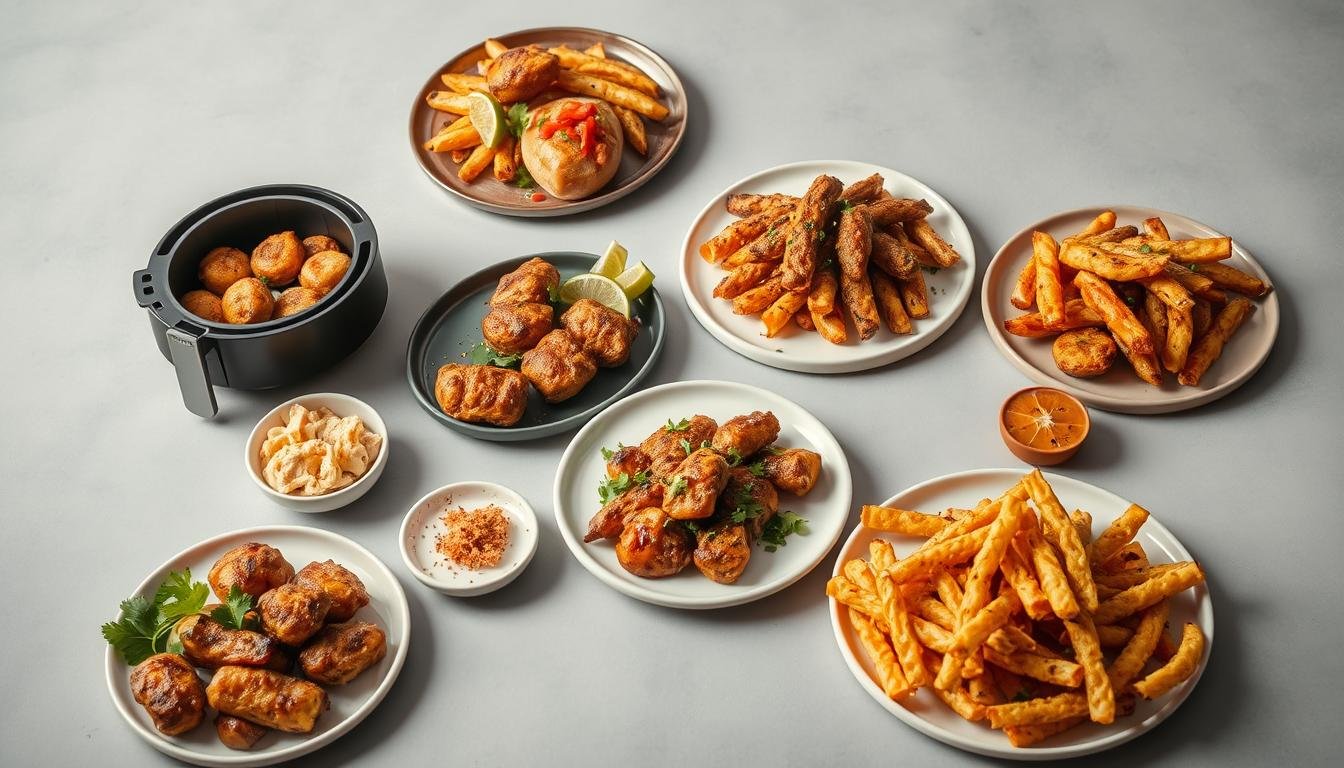
Look for consistent lighting and crisp close-ups that highlight texture. Food photography quality shows details like browned edges, puffed crusts, and crisp coatings. Those traits tell you what “done” should look like for your air fryer model.
Step-by-step images and user-submitted photos make it easier to spot high-performing recipes. If readers share mid-cook and finished shots, you can compare their outcomes to the editorial images and spot where instructions match reality.
Signs of a well-plated dish include even browning and a non-greasy finish. Portion size should match an air fryer’s basket: single servings or small batches reveal practical testing. Examples like crispy chickpeas or a golden pizza crust help you visualize the expected texture.
Watch for over-staged or heavily edited images that promise results your appliance cannot deliver. Prioritize recipes with multiple realistic photos, a mix of editorial and user images, and clear food photography quality so you can confidently spot high-performing options.
Ingredient Accessibility
When you look at recipes, start with the shopping list. The best air fryer recipes use common items you likely have at home. Things like potatoes, chicken wings, eggs, flour, basic spices, and canned chickpeas are easy to find.
Recipes that use frozen foods and basic proteins are great for everyday cooking. Frozen fries, veggies, chicken breasts, and root veggies save time. Brands like Proctor Silex and Hamilton Beach offer simple air fryers for easy recipes.
Check if a recipe suggests substitutions. Notes on swaps or where to buy ingredients show the author thought about making it easy. This helps you pick ingredients that fit your pantry and budget.
Evaluating Common Ingredients
Look for recipes with pantry-friendly items. Recipes that need rare sauces, spices, or oils are harder to make. Choose recipes that use common items.
Also, check the measurements and package sizes. Clear measures and references to canned or frozen items help. This makes it easier to follow recipes for consistent results.
Identifying Seasonal Produce
Seasonal produce adds flavor and value. In fall and winter, use Brussels sprouts, butternut squash, and root veggies. In spring and summer, pick peppers, summer squash, and fresh herbs.
Plan ahead for swaps. A recipe for asparagus in spring might use green beans in summer. Recipes that suggest seasonal swaps are more practical and accessible.
| Ingredient Type | Examples | Why It Helps |
|---|---|---|
| Pantry Staples | Flour, canned chickpeas, dried spices, salt, pepper | Easy to store, low cost, common in many recipes |
| Frozen Items | Frozen fries, peas, mixed vegetables | Consistent texture, long shelf life, quick prep |
| Staple Proteins | Chicken wings, boneless chicken, firm tofu | Widely available, versatile for air fryer cooking |
| Seasonal Produce | Brussels sprouts, butternut squash, peppers, summer squash | Better taste per cost, encourages swaps by season |
| Appliance-Friendly Picks | Items suited for no-frills air fryers (Proctor Silex) | Match simple machines and recipes for reliable outcomes |
Cooking Techniques Explained
Good recipes show clear steps and choices. This part explains common methods, timing, and safety. This helps you pick the right cooking method before using your air fryer.
Known Techniques for Air Fryers
Begin with basic steps found in many recipes. Tossing veggies with oil in the middle helps them crisp up without burning. Shaking or flipping items once, often halfway through, ensures even browning.
Some cooks preheat, while others skip it. Recipes that offer both options let you choose. Using parchment or foil in baskets can make cleanup easier, as long as vents are open. You can also bake mini dishes like frittatas and gratins in many air fryers.
Method Variability and Its Impact
Method changes affect results in different air fryers. Basket-style units have direct airflow, while oven-style ones act like convection ovens. Recipes with timing ranges, visual cues like “golden brown,” and alternative steps are easier to adjust for any model.
Here are example timings tied to techniques to help you evaluate cooking methods:
| Technique | Typical Timing | Practical Tip |
|---|---|---|
| Toss or stir mid-cook (vegetables) | Toss after 10 minutes of a 20–25 minute cycle | Use a silicone spatula to avoid scraping nonstick coatings |
| Shake or flip (frozen fries, nuggets) | Flip once at halfway point of listed time | Open briefly to keep heat loss minimal |
| Tofu crisping | Shake once at 10 minutes during a 15–20 minute cycle | Press tofu first to remove excess moisture for better crisp |
| Mini frittatas or baked goods | 20–25 minutes in small ramekins at moderate temp | Choose oven-safe ramekins sized to your air fryer basket |
| Parchment or foil use | Apply throughout cook, avoid covering vents | Perforated parchment holds up and preserves airflow |
Safety and cleanup are key when adapting techniques. Don’t block air vents. Avoid overfilling baskets for good air flow. Use only oven-safe containers that fit your appliance.
Clear options, timing ranges, and visual cues help you choose the right recipe. This way, you can match your cooking method to your air fryer and schedule.
Recipe Complexity
When looking at recipes, think about how complex they are. Many top air fryer recipes are simple. They have few ingredients and easy steps. This makes cooking easier and the food tastes great.
Assessing Time Commitment
Check the time needed for each recipe. Quick snacks and frozen foods cook in 10–20 minutes. Vegetables take about 20 minutes. Main dishes and baked goods usually need 20–40 minutes.
Make sure to see if the recipe is for one batch or many. Recipes that show both prep and cook time are more reliable. This helps when planning your meals.
The Balance of Simplicity and Flavor
Recipes with many parts or thick batters can taste great but might not cook evenly. The best recipes use simple methods. They add a light coating and cook briefly to get a crispy outside and soft inside.
Look for recipes labeled as quick, 1-pan, or minimal-prep. These are good choices because they save time but don’t sacrifice flavor. Choose recipes that focus on technique for the best results.
| Recipe Type | Typical Total Time | Complexity Level | Why It Performs Well |
|---|---|---|---|
| Frozen snacks | 10–20 minutes | Low | Short cook time, consistent crisping, minimal prep |
| Roasted vegetables | 18–25 minutes | Low–Medium | Simple seasoning, steady texture, easy scaling |
| Weeknight mains | 25–40 minutes | Medium | Balanced steps, clear timing, reliable doneness |
| Baked items & layered dishes | 30–40 minutes | Medium–High | Higher flavor, careful timing needed |
| Multi-component entrees | 40+ minutes | High | Complex flavors, more risk of uneven cooking |
Nutritional Information
Before trying a new air fryer recipe, check the nutritional info first. Air fryers use less oil than deep frying. This means they have fewer calories and fat but keep food crispy.
Find recipes with full ingredient lists or nutrition panels. If a recipe doesn’t have numbers, the ingredient list can help estimate calories and fat. This is key for processed or frozen foods, where hidden salt and sugar can add up.
Reading Nutrition Labels
Start with serving size when reading labels. Look at calories per serving and total fat, sodium, and added sugars. Also, check fiber and protein to judge how filling it is.
Frozen or packaged items in air fryer recipes often have high sodium or sugar. You can reduce these by swapping or omitting sauces. Use herbs and spices for flavor without extra additives.
Understanding Health Benefits
Air-fried veggies and proteins are healthier because they use less fat. Crispy tofu and roasted chickpeas are tasty snacks with less oil than deep frying. This helps keep calorie intake low and supports nutrient-dense choices.
Choose brands and recipes that are simple, like Proctor Silex. Simple recipes lead to healthier home cooking. They make it easier to track nutrition, as you avoid heavy sauces and breading.
Ingredient Substitutions
Good air fryer recipes often give clear options for swaps. They list acceptable ingredient substitutions and note how swaps change timing or texture. This detail helps you evaluate recipes before you cook.
Look for real examples that prove flexibility. A taquito recipe that mentions leftover pulled pork or shredded rotisserie chicken shows practical thinking. Dessert recipes that say you can scale any oven-baked cake or cookie down for the air fryer signal broad adaptability.
Frozen vegetables often stand in for fresh when a recipe lists both. Recipes that compare frozen vs. fresh veg and explain time or crispness differences are easier to adapt to your pantry and schedule.
Understanding the advantages of substitutability helps you waste less and cook more often. When a recipe accepts alternative flours, proteins, or fats, you gain accessibility and reduce food waste.
Use these quick checks to evaluate recipes:
- Does the recipe list specific swaps and note how they change cook time?
- Are multiple protein options given with temperature adjustments?
- Does it explain texture trade-offs between fresh and frozen produce?
Recipes that pass these checks are likely flexible recipes you can rely on. They save time, expand meal choices, and let you tailor results to your appliance or diet.
| Common Swap | When to Use | Effect on Time | Texture Notes |
|---|---|---|---|
| Rotisserie chicken for raw chicken breast | Leftovers or quick weeknight meals | Shortens cook time by 50–75% | Moister interior, less browning |
| Frozen mixed veg for fresh seasonal veg | Off-season or convenience | May need 2–4 extra minutes | Less crisp; shake basket mid-cycle |
| Almond or oat flour for all-purpose flour | Gluten-free adjustments | Similar time if particle size matches | Softer crumb; may brown faster |
| Leftover pulled pork for ground beef in taquitos | Use cooked proteins to save time | Cut cook time to finish and crisp | More flavorful; may be greasier |
Success Rate Indicators
To find top recipes without using the air fryer, know what to look for. Look for signs that a recipe works well in different kitchens and with various models. These signs help save time and lead to good results.
Analyzing Conversion Metrics
Conversion metrics show if a recipe gets people to try it. Look at the number of positive reviews compared to total attempts. Also, check if people save or share the recipe.
When checking recipes, look at lists from trusted sources like The New York Times Cooking or Food Network. These lists often feature recipes that do well in conversion metrics and are trusted by users.
Considering Recipe Variations
Good recipes can be adapted in many ways. If cooks make changes and share them, it means the recipe is flexible. This flexibility shows the recipe is well-made, not just a one-time success.
Look at comments for common tweaks, like adding a few minutes or lowering the temperature. These small changes show the recipe works with different air fryers and ingredients.
| Indicator | What to Look For | Why It Matters |
|---|---|---|
| High Ratings | 4.5 stars or higher from many reviewers | Suggests consistent success across users and setups |
| Positive Photos | Numerous user photos matching the original | Shows reproducibility of appearance and texture |
| Comments Confirming Results | Multiple notes reporting the same outcome | Reduces risk of one-off success or hidden steps |
| Low Correction Frequency | Few suggested fixes or edits from the author | Indicates clear, reliable instructions |
| Shares & Bookmarks | High share counts and many bookmarks | Conversion metrics that point to practical value |
| Documented Variations | Clear, tested swaps for spices, proteins, times | Shows recipe resilience and adaptability |
Community Engagement
Good recipe picks grow when cooks share real results. You can tap into forums, Facebook groups, and Reddit threads. Here, you’ll find user-tested tips, model-specific timing, and before-and-after photos. Brands like Proctor Silex and services like Cook Smarts often publish notes for specific devices.
How online communities can help
Online communities collect practical data fast. Members report what worked for their air fryer model, note basket size effects, and post photos. This helps you evaluate air fryer recipes before trying them, saving time and avoiding common errors.
Ask specific questions to get useful answers. Request model-specific times, share your desired crispness level, and ask for photo proof of results. Responses from experienced cooks and editors often include small tweaks that make a big difference.
Participating in recipe testing
When you participate in recipe testing, follow the recipe once as written. Record temperature, time, air fryer model, and basket or tray type. Post your notes and photos so others can replicate your conditions.
Organized testing builds communal trust. Try a clear test cadence: test, document, tweak, and report. This approach helps the group refine estimates and lets you evaluate air fryer recipes with real-world data.
| Action | What to Share | Why It Helps |
|---|---|---|
| Post a recipe test | Model, temperature, time, basket type, photos | Gives others a baseline for repeatable results |
| Ask targeted questions | Desired crispness, ingredient swaps, oil amount | Yields practical adjustments for your equipment |
| Subscribe to brand updates | Newsletters from brands and meal planners | Provides vetted recipes and official tips |
| Compare community notes | Multiple test reports and photos | Helps you confidently choose which recipes to try |
Conclusion
You’ve learned how to pick top recipes for your air fryer without cooking them. Look for recipes with exact measurements and clear cooking times. Also, check if they have step-by-step guides and lots of user photos or reviews.
Choose recipes that use common ingredients and explain how to do things. These signs show that the recipe works well in real home air fryers.
Final Tips for Selecting Recipes
Before trying a recipe, check if it’s realistic. Times to expect are veggies ~20 minutes, tofu 15–20 minutes, mini pizzas 10–12 minutes, baked potatoes 30–40 minutes, taquitos 12–15 minutes, and mini frittatas 20–25 minutes. If times are way off, be careful.
Also, look for recipes with lots of user photos and reviews from trusted sources like Serious Eats or America’s Test Kitchen.
Embracing the Air Fryer Adventure
Start with simple, well-rated recipes. Make sure to scale them right for your fryer. Note any special tips for your model for next time.
As you get better, you’ll know how to pick recipes without cooking. This way, you can enjoy faster, healthier meals with less oil. Use these tips to grow your cooking skills at home.
Affiliate Disclosure: Some of the links in this post are affiliate links. This means I may receive a small commission if you purchase through my links, helping me keep this site running — at no additional cost to you.