

Start here. This guide shows you how a focused diet can help calm inflammation, support the gut barrier, and ease common digestive symptoms. You will get plain facts, not promises of a cure, and clear steps you can try now.
Leaky gut refers to increased intestinal permeability, where loosened tight junctions may let bacteria, toxins, and food particles into the bloodstream. Higher zonulin can raise permeability, and gluten can worsen this in people with celiac disease.
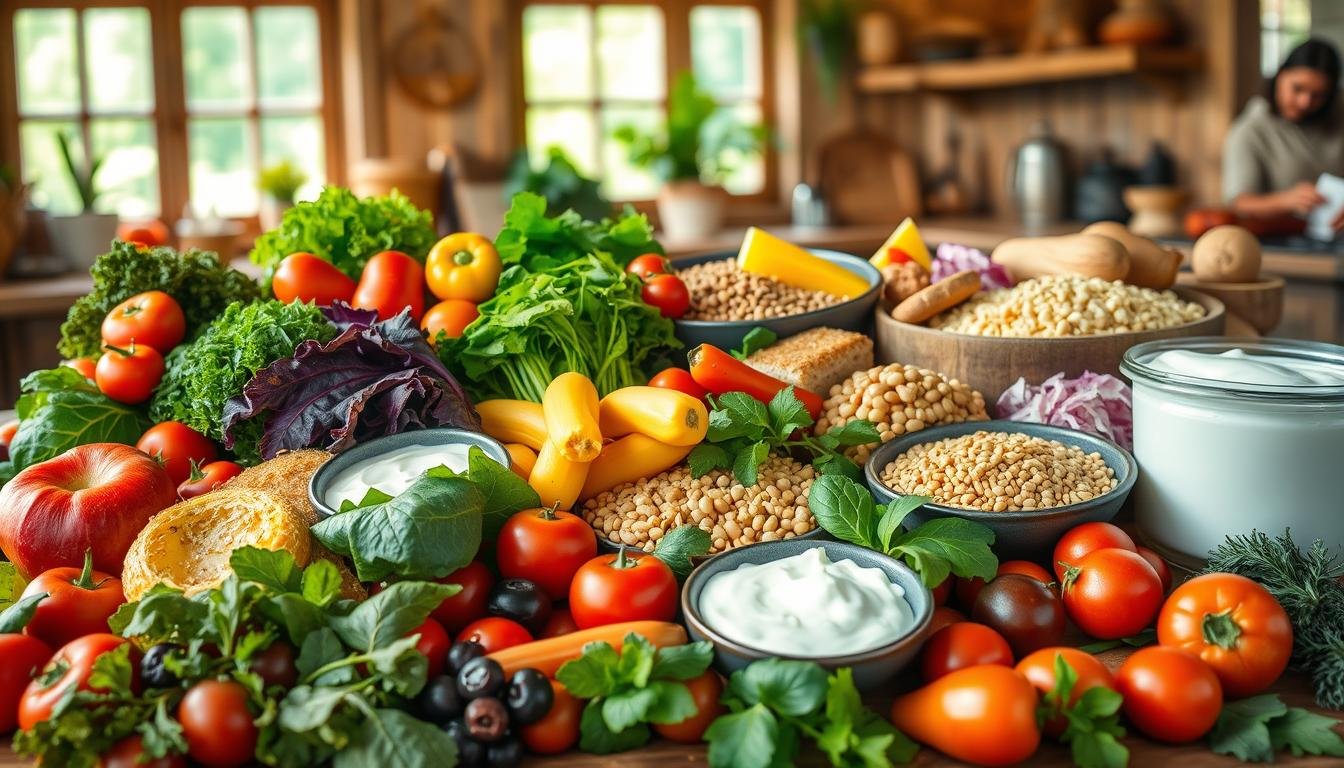
The plan emphasizes whole foods: vegetables, fruits, fermented vegetables, cultured dairy, healthy fats, lean meats, and gluten-free grains. It also suggests avoiding processed foods, refined oils, alcohol, and artificial sweeteners to lower triggers.
How this article helps you: you’ll learn the science in plain English, how to spot signs that suggest a change, sample menus, and practical steps to track progress. Results vary, so you’ll be guided to personalize the approach to your body and health conditions.
Key Takeaways
- Learn what this diet aims to do: reduce triggers and calm inflammation.
- Understand the link between leaky gut and intestinal permeability.
- See which foods support digestive health and which to limit.
- Find sample menus and simple steps to begin tracking symptoms.
- Know that mainstream medicine often treats permeability as a factor, not a formal syndrome.
What Is a Gut Healing Diet (And Who Needs It)?
A structured elimination plan helps reduce inflammation, feed helpful microbes, and reveal foods that cause flares.
This approach centers on whole, unprocessed choices and a short strict phase to remove likely triggers. You then reintroduce items slowly to spot reactions. The goal is calmer digestion, fewer flare-ups, and steadier intestinal permeability.
The plan can help people with IBS, IBD, reflux, SIBO, and celiac disease. It may also aid some with autoimmune diseases who link food to symptom changes.
How it supports digestive health
Focusing on nutrient-dense meals feeds beneficial bacteria and supports the gut barrier. Over time this can lower inflammation and ease common symptoms like bloating, pain, diarrhea, or constipation.
| Condition | Why try this plan | Possible benefit |
|---|---|---|
| IBS | Identify trigger foods and reduce fermentation | Fewer flare-ups, less bloating |
| IBD | Lower dietary irritants while keeping nutrients | Reduced gut irritation, better symptom control |
| Celiac disease | Strict removal of gluten and cross‑contaminants | Improved absorption and fewer immune reactions |
| Autoimmune diseases | Test if specific foods trigger systemic symptoms | Less joint pain, skin flares, or fatigue for some |
Feeling foggy, stuck, or emotionally off?
- • Trouble focusing or feeling scattered
- • Low energy or emotional drive
- • Feeling disconnected or stuck
These tools can help you reset, refocus, and reconnect:
- 🔋 Mitolyn
- Cellular energy & mitochondrial support
- 🌙 SleepLean
- Restful sleep & metabolic balance
- 💧 ProstaVive
- Prostate comfort & urinary support
Note: This plan complements medical care. Keep your care team informed if you have serious disease or take medications.
The Science in Plain English: Leaky Gut and Intestinal Permeability
Think of intestinal permeability as how easily things slip across the gut wall. Tight junctions act like gatekeepers along your inner lining. When they work well, only small nutrients pass through. When they loosen, larger particles may cross into your bloodstream.
How the barrier works in your body
Tight junctions seal cells together and control permeability. Zonulin can relax those junctions. In people with celiac disease, gluten raises zonulin and increases permeability.
What research shows — and where it stops
Studies link higher permeability with certain disease states such as celiac disease and type 1 diabetes. But mainstream medicine does not list “leaky gut syndrome” as a formal diagnosis.
“Permeability may be a cause, consequence, or marker depending on the condition — the relationship is complex.”
Other common drivers include inflammatory signals (TNF, IL-13), long-term NSAID use, and gut bacteria imbalances. A diet that lowers inflammation and supports beneficial bacteria may help normalize permeability while research continues.
| Driver | Effect on permeability | Evidence |
|---|---|---|
| Zonulin (gluten in celiac) | Loosens tight junctions | Strong in celiac disease |
| Inflammatory mediators | Increase permeability | Observed in several studies |
| NSAIDs (long-term) | Raise permeability | Clinical and animal data |
| Gut dysbiosis | Disrupts barrier function | Associative research |
- Keep your care team informed before changing medications or trying strict plans.
- Use this context to make informed diet and lifestyle choices without overstating science.
Signs You May Need a Gut Healing Diet
If simple remedies don’t stop your flare-ups, your daily eating pattern might deserve a closer look. Persistent signs often cluster, so spotting patterns helps you decide whether to try a structured change.
Digestive clues to watch
Common symptoms that often respond to food changes include bloating, constipation, diarrhea, reflux, and abdominal pain. Track when each symptom appears, what you eat, and any bowel pattern shifts.
Non-digestive signals
Some people report chronic fatigue, brain fog, skin flares, headaches, or joint pain alongside digestive trouble. These extraintestinal signs may ease once inflammation calms and the intestinal environment improves.
Medications and lifestyle factors
Antibiotics, long-term NSAIDs, and opioids can disturb your microbiome and raise permeability. Alcohol, smoking, stress, and poor sleep also aggravate the system and make symptom relief harder.
Deciding when to act
Occasional discomfort is normal. Persistent or worsening symptoms that affect daily life justify trying a focused plan while you consult your clinician. Keep a simple symptom journal to confirm whether changes truly help your health.
Core Principles: Your How-To Game Plan to Improve Gut Health
Start with clear, practical steps you can follow today. Choose mainly whole, minimally processed meals to lower inflammation and support the gut barrier and intestinal permeability.
Prioritize whole foods; cut processed foods and refined sugars
Swap packaged items for fresh produce, lean proteins, and simple grains. Reducing processed foods and sweets removes common triggers that often worsen symptoms.
Balance fiber, quality proteins, and healthy fats for your body
Aim for plates with vegetables, a protein source, and healthy fats. This mix supplies steady fuel and key nutrients while helping digestion stay calm.
Identify and remove personal trigger foods
Run a short elimination phase of 2–4 weeks to remove likely offenders. Then reintroduce items methodically to spot reactions and keep only well-tolerated food.
Starting templates
- Consider low FODMAP or Paleo as structured starters; both have evidence for reducing symptoms and inflammation.
- Use a simple symptom log to track changes and guide reintroductions.
| Focus | Reason | Practical tip |
|---|---|---|
| Whole foods | Lower inflammation, supply nutrients | Choose fresh vegetables, fruit, and lean protein |
| Cut processed foods | Remove common triggers and additives | Read labels; avoid high-sugar and long-ingredient lists |
| Elimination + reintroduction | Find personal trigger food | Remove for weeks, then reintroduce slowly while tracking |
Keep your approach flexible. Adjust portions and choices for your conditions and goals. With consistent tracking, you can improve gut function while keeping nutrient needs met.
Foods to Eat to Help Reduce Inflammation and Support Your Microbiome
Build meals that deliver fiber, polyphenols, and steady protein to support barrier function and comfort.
You’ll center plates on colorful vegetables such as broccoli, Brussels sprouts, leafy greens, mushrooms, and zucchini. Add fruits like berries, citrus, kiwi, or papaya for polyphenols and gentle enzymes.
Choose gluten-free grains—brown rice, buckwheat, sorghum, or certified gluten-free oats—for steady energy that is easier on the gut.
- Fermented foods: sauerkraut, kimchi, tempeh, kombucha, or cultured dairy products with live cultures if you tolerate dairy.
- Proteins and fats: lean meats, eggs, and omega-3 rich fish (salmon, herring). Use avocado and extra-virgin olive oil for healthy fats.
- Seeds and extras: chia, flax, and sunflower seeds for fiber and micronutrients; adjust portions to tolerance.
Bone broth, turmeric, and ginger can add collagen, amino acids, and anti-inflammatory compounds that may support intestinal permeability and barrier repair.
“Focus on variety: polyphenol-rich produce plus fermented items help support beneficial bacteria while supplying needed nutrients.”
Listen to your body. Keep a simple log to note which foods ease symptoms and which cause discomfort, then tailor the plan to stay comfortable and nourished.
Foods to Limit or Avoid When Healing Your Gut
Certain everyday foods and additives can keep your digestive system on edge and slow recovery. Removing likely offenders helps reduce inflammation and improves how you feel day to day.
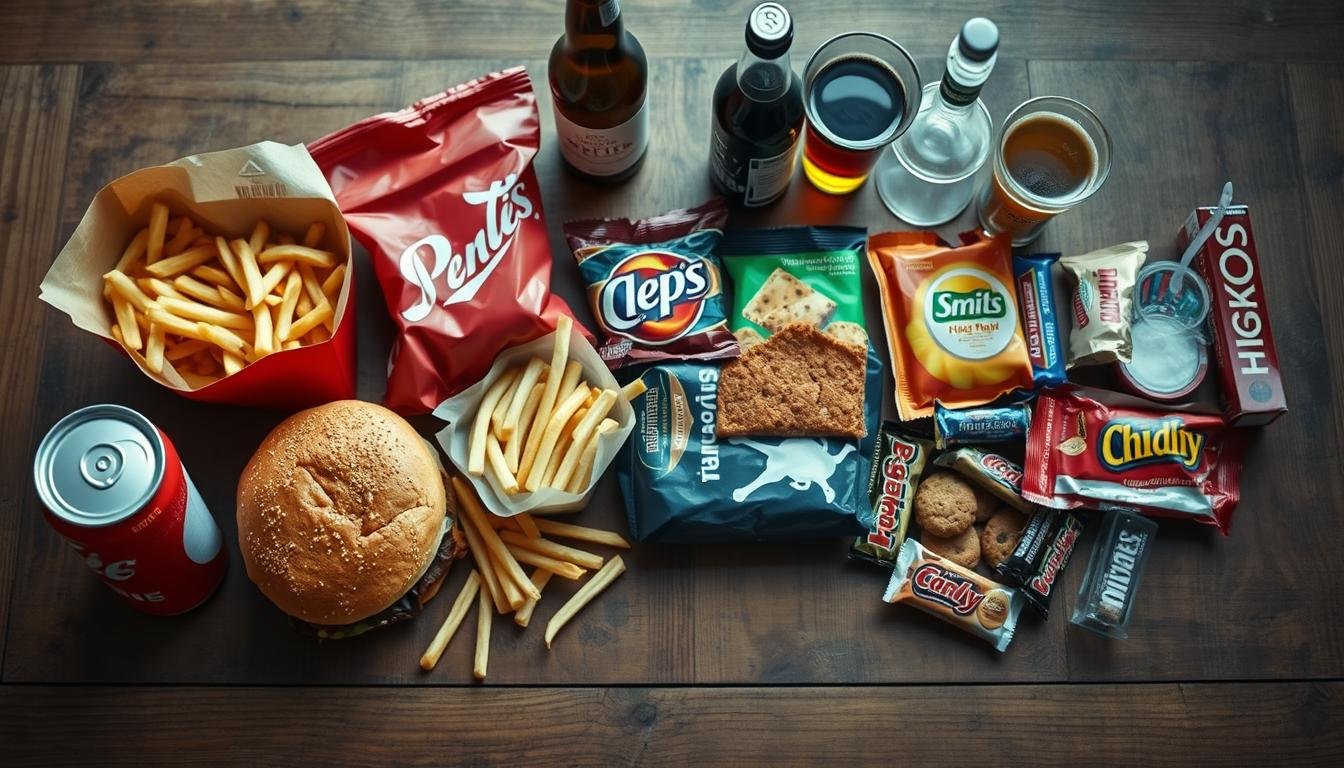
Processed foods, refined oils, sugar, and artificial sweeteners
Limit processed foods and snack items that often contain added sugars, refined oils, and artificial sweeteners. These products can fuel inflammation and prolong uncomfortable symptoms.
Avoid packaged baked goods, processed meats, and sugary drinks while you test changes. Read labels and pick items with short, recognizable ingredient lists.
Alcohol, emulsifiers, and potential problem foods
Cut back on alcohol and watch for emulsifiers in many store-bought products. Ingredients like carrageenan, guar gum, lecithin, and polysorbate 80 may worsen digestion for some people.
Consider whether gluten and certain dairy trigger your symptoms during an elimination phase. Remove wheat-based items, barley, rye, and high-lactose dairy to see if you feel better.
- Tip: Center meals on naturally gluten-free vegetables and whole proteins to reduce exposure to common triggers.
- Tip: Swap refined oils for extra-virgin olive oil and choose minimally processed products when possible.
| Category | Common culprits | Why avoid |
|---|---|---|
| Grains & baked goods | Wheat, barley, rye | Can raise symptoms in sensitive people; linked to permeability |
| Packaged products | Snack foods, processed meats | Contain additives and refined fats that drive inflammation |
| Additives & sweeteners | Aspartame, sucralose, carrageenan | May disrupt gut microbes and digestion |
| Drinks | Alcohol, sugary beverages | Aggravate symptoms and hinder recovery |
“Removing common triggers often brings measurable relief within days to weeks.”
Sample Gut Healing Menus You Can Use Today
Try one clear template for breakfast, lunch, dinner, and two snacks to see how foods affect your comfort. This starter day uses familiar foods to supply nutrients while you track symptoms.
One-day starter plan
Breakfast: gluten-free oatmeal with raspberries, a spoonful of chia, and a small handful of walnuts.
Snack: Greek yogurt with live cultures (if you tolerate dairy) or coconut-papaya chia pudding for a dairy-free option.
Lunch: mixed greens with hard‑boiled egg, sliced avocado, grated carrot, and a drizzle of olive oil. Add sauerkraut or a spoon of kimchi for probiotics.
Snack: fresh fruit or a few almonds and sunflower seeds to keep energy steady and reduce cravings.
Dinner: seared salmon or baked chicken with roasted vegetables and a side of brown rice or mashed sweet potato. Finish with a small cup of warm bone broth if your gut needs gentle nourishment.
How to scale to a 7-day rotation
Batch-cook proteins (chicken, tempeh, salmon) and roast trays of vegetables to mix flavors across the week.
Rotate fruits and vegetables so you get varied polyphenols and fiber. Swap oatmeal for gluten-free porridge one morning, or trade yogurt for a probiotic-rich, fermented product on another day.
Tip: Keep portion sizes steady to avoid constipation while your system adapts. Track which foods ease symptoms and which cause flares, then repeat favored meals in a simple rotation.
Step-by-Step: Start Your Gut Healing Diet in the Present
Start by clearing your pantry so you can build simple, reliable meals that support recovery. This practical reset reduces temptation and makes compliant cooking the easy choice.
Preparation
Remove obvious triggers and restock with whole ingredients. Plan two weeks of simple meals and shop once to stay consistent.
Implementation
Be strict for 2–4 weeks so your system can stabilize and symptoms can show real change. Batch-cook staples to cut decision fatigue.
Reintroduction
Test one food at a time in controlled amounts. Keep a daily log of meals and symptoms to track patterns and bowel responses.
- Clean pantry: toss or donate packaged items with common additives.
- Map meals: simple breakfasts, lunches, dinners for two weeks.
- Commit: 2–4 week strict phase, then reassess results.
- Reintroduce slowly: pinpoint triggers and tolerate foods you keep.
- Consider supplements only after your baseline diet is steady.
Note: Elemental plans can help during flares but use them briefly and under guidance. The goal is to improve gut function in a low-stress, sustainable way.
Smart Shopping and Pantry Staples for Better Digestive Health
Stocking your pantry with simple, whole ingredients makes following this plan far easier. Start each shopping trip with a clear list so impulse buys that trigger symptoms stay out of your cart. This helps your gut and keeps meal prep fast.
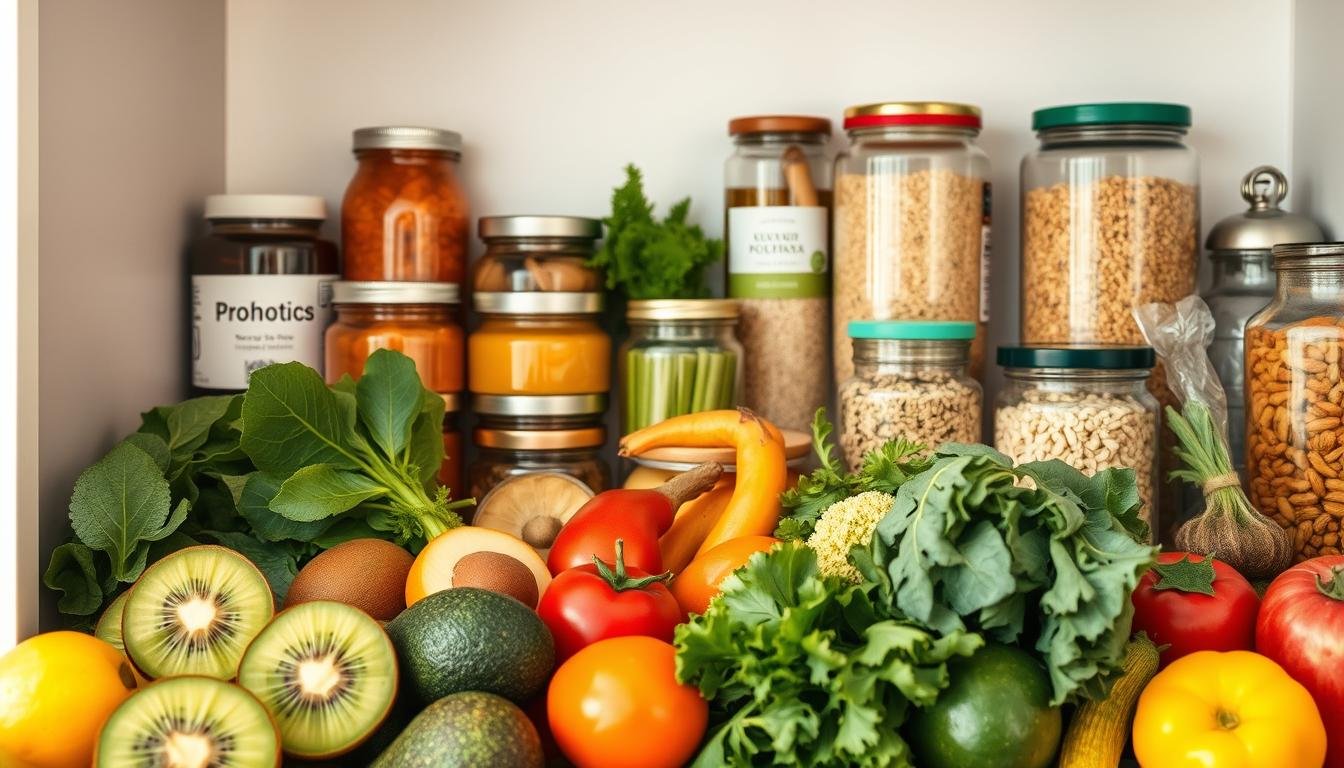
Grocery list: produce, proteins, fermented items, and gluten-free options
Build your list around leafy greens, crucifers, carrots, beets, and mushrooms. Add eggs, poultry, lean beef, and fatty fish for protein. Include fermented choices like kimchi, sauerkraut, kefir, or plain yogurt if you tolerate dairy.
Staples to keep on hand: extra-virgin olive oil, canned wild salmon, frozen berries, bone broth, sauerkraut, and gluten-free grains such as brown rice, buckwheat, or certified gluten-free oats. Pack pantry seeds like chia, flax, and pumpkin for easy fiber and texture.
Label reading tips to avoid emulsifiers and hidden additives
Choose products with short ingredient lists. Scan for emulsifiers—carrageenan, guar gum, lecithin, and polysorbate 80—that often hide in salad dressings, ice cream, margarine, and baked goods.
Quick tactic: if a product name hides many items you can’t pronounce, put it back and pick a cleaner alternative. That lowers exposure to additives that may affect intestinal permeability and bacteria balance.
- Shop certified gluten-free labels to reduce cross-contamination while you test tolerances.
- Rotate brands and produce to support a more diverse microbiome.
- Keep non-dairy options free of emulsifiers if you skip dairy.
Final note: you’ll choose products that make cooking simple, protect your progress, and help the diet stay sustainable. Small pantry changes cut friction and keep meals gut-friendly over time.
Cooking, Meal Prep, and Eating Out Without Derailing Your Progress
Efficient cooking and thoughtful dining choices help you stay consistent while enjoying varied meals. Use simple systems so you always have ready options that support your plan and limit flare-ups.
Speedy prep at home
Batch cook proteins and roast sheet-pan vegetables for easy reheats. Use a slow cooker or pressure cooker for soups, stews, and tender proteins that hold well through the week.
Plan leftovers as intentional meals: portion into bowls with steady carbs and stable fats like olive oil to support comfortable digestion and steady bowel patterns.
Dining out without backsliding
Choose grilled, steamed, broiled, or roasted dishes and ask for sauces on the side. Avoid fried or heavy plates that often worsen symptoms.
Ask servers about ingredients to sidestep hidden emulsifiers in products and pick menu items that match your diet. Keep simple snacks in your bag so you aren’t forced into choices that may affect permeability or trigger leaky gut concerns.
Targeted Support: Probiotics, Bone Broth, and Key Supplements
Targeted nutritional support may reduce inflammation and speed recovery for some people. Use supplements as tools while your meals remain the main therapy. Trial each item briefly and stop anything that does not ease symptoms.
Probiotic categories to consider
Consider a blend rather than a single strain. Look for a product that includes Lactobacillus and Bifidobacterium, plus Saccharomyces boulardii or a soil-based option to support bacterial diversity.
L-glutamine, digestive enzymes, and betaine HCl
L-glutamine can help repair the lining and improve permeability in some studies. Digestive enzymes may cut post-meal bloating and abdominal pain. Use betaine HCl only if low stomach acid is suspected and avoid it with ulcer disease.
Bone broth and collagen-rich foods
Bone broth supplies collagen and amino acids that may support the intestinal barrier. Include collagen-rich soups or stews as gentle nourishment while you test reintroductions.
“Supplements are supportive tools—your daily diet remains the foundation.”
- Try each supplement for 2–6 weeks and track changes in symptoms.
- Discuss choices with your clinician, especially if you have chronic disease or take medications.
Special Considerations: IBS, IBD, Celiac Disease, and Autoimmune Diseases
Different digestive and immune conditions often respond better to specific diet templates rather than a one-size-fits-all approach.
Choose your starting template based on symptoms. Low FODMAP often helps IBS-like bowel issues and may lower intestinal permeability for some people. Paleo cuts added sugars and additives to reduce common triggers. AIP removes extra immune triggers and has early supportive data for IBD.
Low FODMAP, Paleo, and AIP: when to try each
- Low FODMAP: use when bloating, loose stools, or urgency dominate your picture.
- Paleo: try when you want broad trigger reduction and fewer processed ingredients.
- AIP: consider when autoimmune diseases cause persistent gut and systemic symptoms.
Dairy and gluten guidance
Celiac disease requires lifelong, strict avoidance of gluten to protect the intestine and prevent complications.
If you have lactose intolerance, choose lactose-free or cultured dairy. Many people tolerate fermented dairy better due to lower lactose and live cultures.
| Condition | Recommended template | Key note |
|---|---|---|
| IBS | Low FODMAP | Reduces fermentable carbs that cause bloating and bowel changes |
| IBD | AIP or Paleo | AIP may lower immune triggers; Paleo reduces additives and sugars |
| Celiac | Strict gluten-free | Complete gluten removal protects the gut and prevents damage |
Practical tips: use these frameworks briefly to find triggers, then reintroduce foods to preserve variety. Work with your clinician to tailor the plan for your conditions and to keep expectations aligned with current research.
Troubleshooting and Staying Consistent
Tweak one habit at a time so you can spot which shift eases bowel patterns or reduces discomfort.
Small experiments help you test fiber, fermented foods, and any new supplements without confusing cause and effect. Track changes and keep the basics steady—sleep, movement, and stress control—to support long-term progress.
How to adjust fiber, fermented foods, and supplements
Increase fiber slowly over 2–4 weeks to avoid gas, cramping, or sudden bowel changes. Add one fiber source at a time and note effects.
Introduce fermented foods in small portions. If kimchi or sauerkraut causes flares, try yogurt or a measured probiotic instead.
Use supplements cautiously. Keep any probiotic or enzyme for a defined trial and stop if symptoms worsen. Discuss choices with your clinician before long-term use.
Use a food and symptom journal to personalize your plan
Record meals, portion sizes, and timing plus clear notes on symptoms. Over several weeks, patterns will emerge and you can remove items that link to flares such as leaky gut–related discomfort or loose stools.
Troubleshoot plateaus by simplifying meals or removing recent additions that may be irritating. Reevaluate supplements periodically and keep only those that clearly improve symptoms for you.
“Small, consistent changes give the clearest signal about what truly helps your body.”
| Area | Action | Why it helps |
|---|---|---|
| Fiber | Increase slowly; choose soluble sources | Reduces sudden bowel shifts and gas |
| Fermented foods / probiotics | Start small; try yogurt or a measured probiotic | Builds tolerance while limiting flares |
| Supplements | Trial 2–6 weeks; stop if no benefit | Identifies helpful products without extra risk |
| Journal | Daily logs of food and symptoms | Pinpoints triggers and guides personalized choices |
- Expect adjustment during the first weeks as your bowel adapts.
- Keep basic habits—sleep, stress control, movement—to improve gut resilience.
- See your clinician if symptoms persist or worsen; some people need medical review.
Conclusion
, Use practical daily steps—simple meals, better sleep, and stress control—to lower inflammation and steady bowel patterns.
You’ll leave with a clear path to support gut health through whole foods, fermented options, cultured dairy where tolerated, healthy fats, lean proteins, gluten-free grains, seeds, and fruits. Keep processed products, refined oils, alcohol, and artificial sweeteners low while you test changes. Research on leaky gut and intestinal permeability continues, and studies link higher permeability with conditions such as celiac disease and type 1 diabetes. Treat supplements and probiotics as adjuncts, not replacement treatment, and track reintroductions in a simple journal to personalize choices. Coordinate changes with your clinician for chronic fatigue or diagnosed disease so you move forward safely and steadily.
FAQ
What does a gut-focused eating plan aim to do?
Who should consider trying this approach?
What is intestinal permeability and why does it matter?
Does research support "leaky gut syndrome"?
Which foods help reduce inflammation and support your microbiome?
What common foods should you limit or avoid?
How long should you follow a strict version before reintroducing foods?
Are fermented foods and probiotics the same thing?
Can supplements like L‑glutamine or collagen help restore the barrier?
Should you try specialized templates like low FODMAP, AIP, or paleo?
How do you reintroduce foods safely and effectively?
How should you shop and read labels to protect progress?
What are practical meal prep tips to stay consistent?
When should you see a clinician instead of self-managing?
Affiliate Disclosure: Some of the links in this post are affiliate links. This means I may receive a small commission if you purchase through my links, helping me keep this site running — at no additional cost to you.