
You can build meals that respect your digestion and taste great. Preparing your own food helps you spot triggers and control ingredients. University of Chicago Medicine offers a gut-friendly recipe hub by registered dietitians like Courtney Schuchmann, MS, RD, LDN, with soothing options such as Very Veggie Smoothie and Midwinter Soup.
Simple swaps and balanced plates matter. Knowing how to combine fiber, fermented foods, and steady proteins helps you reduce issues like bloating and discomfort. Home cooking also lets you adjust textures, spices, and portions to suit your needs.
Across breakfasts, lunches, dinners, and an evening snack, you’ll learn practical recipes and grocery tips that support gut health and overall health. The goal is steady improvement without extreme diets, so you can enjoy food and feel better each day.
Key Takeaways
- Homemade meals give you control over ingredients and textures.
- Registered dietitian guidance turns into usable grocery and kitchen tips.
- Combine fiber, fermented foods, and balanced macros for comfort.
- Find snack and make-ahead ideas that fit busy routines.
- Small seasoning and cooking tweaks can reduce digestive issues.
- Evidence-informed changes beat extreme restrictions for long-term health.
What Makes a Meal “Gut Friendly”? Start with Your Gut Microbiome
Think of your gut microbiome as a neighborhood of microbes that reacts to what you eat. You feed helpful bacteria with steady fiber and modest servings of fermented foods. Small daily swaps and whole-ingredient choices support long-term gut health and comfort.
Prebiotics: Fuel from fiber-rich whole grains, legumes, fruits and veggies
Prebiotic fibers feed beneficial microbes. Choose whole grains, oats and barley, plus legumes, bananas, artichoke, kiwi, potato and walnuts. These sources deliver steady fuel and polyphenols that many people under-consume.
Probiotics: “Good” bacteria from yogurt, kefir, kimchi, miso, tempeh and sauerkraut
Add small portions of probiotic foods like yogurt and kefir at first. Fermented items such as kimchi, miso, tempeh and sauerkraut introduce live cultures without overwhelming your system.
Diversity matters: Why rotating foods supports overall health and your system
Feeling foggy, stuck, or emotionally off?
- • Trouble focusing or feeling scattered
- • Low energy or emotional drive
- • Feeling disconnected or stuck
These tools can help you reset, refocus, and reconnect:
- 🔋 Mitolyn
- Cellular energy & mitochondrial support
- 🌙 SleepLean
- Restful sleep & metabolic balance
- 💧 ProstaVive
- Prostate comfort & urinary support
Rotate plant choices across the week. Variety exposes the microbiome to different fibers and compounds. Avoid a single superfood focus. Build balanced meals that blend whole grains, legumes, veggies and fermented foods for steady results.
- Tip: Limit added sugars and favor whole grains over refined options.
- Tip: Keep probiotic servings modest, then increase as your gut adapts.
Fiber Fundamentals You Can Actually Use
Most adults fall short on fiber, but small steps can close that gap quickly.
Daily targets: Aim for about 25 grams for women and 38 grams for men, or roughly 14 grams per 1,000 calories. Only about 7% of adults in the U.S. meet these goals.
Start with accessible sources you’ll reach for. Beans, lentils, oats, barley, brown rice, nuts, seeds, artichokes and kiwi are high-impact choices. Walnuts add polyphenols while oats and barley act as prebiotics.
How to add fiber without bowel issues
- Increase intake gradually over several days to let your system adapt.
- Hydrate so added fiber moves comfortably through your digestive tract.
- Balance fiber across meals to avoid overloading one sitting.
| Top foods | Fiber type | Quick tip |
|---|---|---|
| Oats, barley | Soluble | Cook longer for softer texture |
| Beans, lentils | Mixed | Rinse and simmer to ease digestion |
| Nuts, seeds, brown rice | Insoluble | Pair with fruit or yogurt to balance |
You’ll also get vitamins minerals and other nutrients when you diversify. Sample plans that average about 39 g/day show how a week of higher-fiber eating can look in practice. Monitor how you feel like your body adapts and adjust cooking methods to improve comfort and long-term health.
Balancing Protein for Gut Health without Overdoing It
Choose proteins that pair well with vegetables and grains to support comfort and fullness.
Aim to spread protein evenly across meals. EatingWell’s 30-day plan averages about 87 grams per day and balances servings to avoid heavy, single-meal loads. This approach steadies appetite and eases digestion.
Plant-forward options to build meals
Build plates around beans, lentils, tofu and tempeh. These plant choices deliver protein plus fiber and varied textures.
Probiotic dairy selections in modest portions
Low-fat Greek yogurt, kefir and cottage cheese add protein and gentle cultures. Use yogurt as a sauce base or dip to add creaminess without heavy cream.
- Distribute protein evenly to stabilize energy and digestion.
- Pair proteins with healthy fats and fiber for slower digestion and steady fullness.
- Try silken tofu in soups and tempeh in bowls to vary textures.
| Protein type | Benefit | Quick tip |
|---|---|---|
| Beans & lentils | Protein + fiber | Rinse and cook well for comfort |
| Tofu & tempeh | Versatile textures | Marinate for more flavor |
| Greek yogurt & kefir | Protein + probiotics | Use small servings as dressings |
Smart Fats, Limited Added Sugar and Mindful Sodium
Smart choices about fats, sugar and salt help meals stay satisfying and gentle on digestion. Use modest portions of high-quality fats and cut back on hidden sugars and salt to support long-term gut health.
Choose healthy fats that keep you full
Favor avocado, walnuts and olive oil in small amounts to boost satiety between meals. Walnuts add polyphenols as well as healthy fat, so they are a double benefit in many dishes.
Limit added sugar and watch sodium in broths
Replace sugary spreads with whole fruit or a thin smear of peanut butter for breakfast or an evening snack. Soups, canned broths and sauces can hide high sodium. Pick low-sodium broths and add herbs, citrus, garlic and spices instead.
- Roast vegetables with olive oil and a pinch of salt rather than dousing with sauce.
- Swap sweet condiments for yogurt-based dressings or tahini-lemon blends.
- Read labels to choose lower-sodium brands you like.
| Foods | Benefit | Quick tip |
|---|---|---|
| Walnuts | Polyphenols + fat | Toast lightly for more flavor |
| Olive oil | Healthy monounsaturated fat | Use for roasting and dressings |
| Low-sodium broth | Less sodium in soups | Boost with herbs, lemon or garlic |
Your Gut-Friendly Meal-Building Blueprint
A visual plate method helps you build steady, nourishing dishes without fuss. Use a simple layout so ingredients stay balanced and easy to digest.
Half veggies, quarter whole grains, quarter protein
Half the plate: vegetables. Fill it with cooked or raw choices for color and fiber.
One quarter: whole grains. Brown rice, quinoa or barley add steady carbohydrates and prebiotic benefit.
One quarter: protein. Choose plant-forward sources like lentils, tofu or modest servings of yogurt to stabilize energy.
Layer prebiotics and probiotics for synergy
Pair beans or oats with fermented items within the same meal. For example, brown rice with kimchi and tofu or a lentil salad dressed with yogurt.
“Feed and seed your gut microbiome by combining fiber and live cultures in one plate.”
Flavor without flare-ups
Bright herbs, lemon, ginger and turmeric add aroma without heavy sauces. Use olive oil, lemon and fresh herbs to finish dishes and keep sodium and sugar low.
- Focus on fiber at each sitting: seeds in salads, beans in soups, oats at breakfast.
- Plan one simple snack: fruit with yogurt or a small handful of nuts to bridge meals and avoid overeating.
- Rotate vegetables, grains and proteins so your gut adapts to variety and stays calm.
| Plate part | Benefit | Quick swap |
|---|---|---|
| Veggies | Fiber + vitamins | Steam or roast for softer texture |
| Whole grains | Prebiotic carbs | Switch brown rice for barley |
| Protein | Satiety + repair | Try tempeh or Greek yogurt |
Repeat this blueprint across meals to build routine. Small, consistent choices support lasting health and a calmer gut.
Pantry and Fridge Staples That Make Gut-Friendly Meals Easy
Keep a few versatile staples on hand so you can pull together balanced dishes without extra trips to the store.
Whole grains and legumes to build bases
Keep oats, quinoa, barley, brown rice, and chickpeas ready. These items give steady fiber and prebiotic benefit. They form quick bowls, soups, and a fast dinner when you need one.
Fermented add-ins for probiotics
Store kimchi, miso, kefir, yogurt, and sauerkraut in the fridge. A spoonful transforms a grain bowl or a simple recipe into a probiotic boost in seconds.
- Prep Overnight Oats for an easy breakfast or snack.
- Roast vegetables ahead and toss them with grains and a scoop of kimchi for lunch.
- Keep nuts and seeds for on-the-go snack choices and crunchy toppings.
- Rotate lentils, black beans and chickpeas so your protein mix stays varied.
| Staple | Benefit | Quick use |
|---|---|---|
| Oats | Fiber-rich base | Overnight Oats breakfast |
| Chickpeas | Protein + fiber | Grain bowls or hummus |
| Miso | Umami, low-sodium depth | Add to dressings and broths |
“A simple shelf of staples helps you turn basic foods into reliable, healthful recipes.”
Breakfasts That Set Up Your Day
Start the day with simple breakfasts that combine protein, fiber and gentle probiotics. Make-ahead options save time and help you avoid mid-morning energy dips.
Overnight oats, muesli and chia with berries and yogurt or kefir
Batch Overnight Oats or muesli with chia and frozen berries the night before. In the morning, stir in yogurt or kefir for protein and probiotics that keep you full through busy days.
Add a spoon of natural peanut butter for richness and staying power, or portion a small yogurt cup as a mid-morning snack if lunch is far off.
Very veggie smoothies with spinach, flaxseed and banana
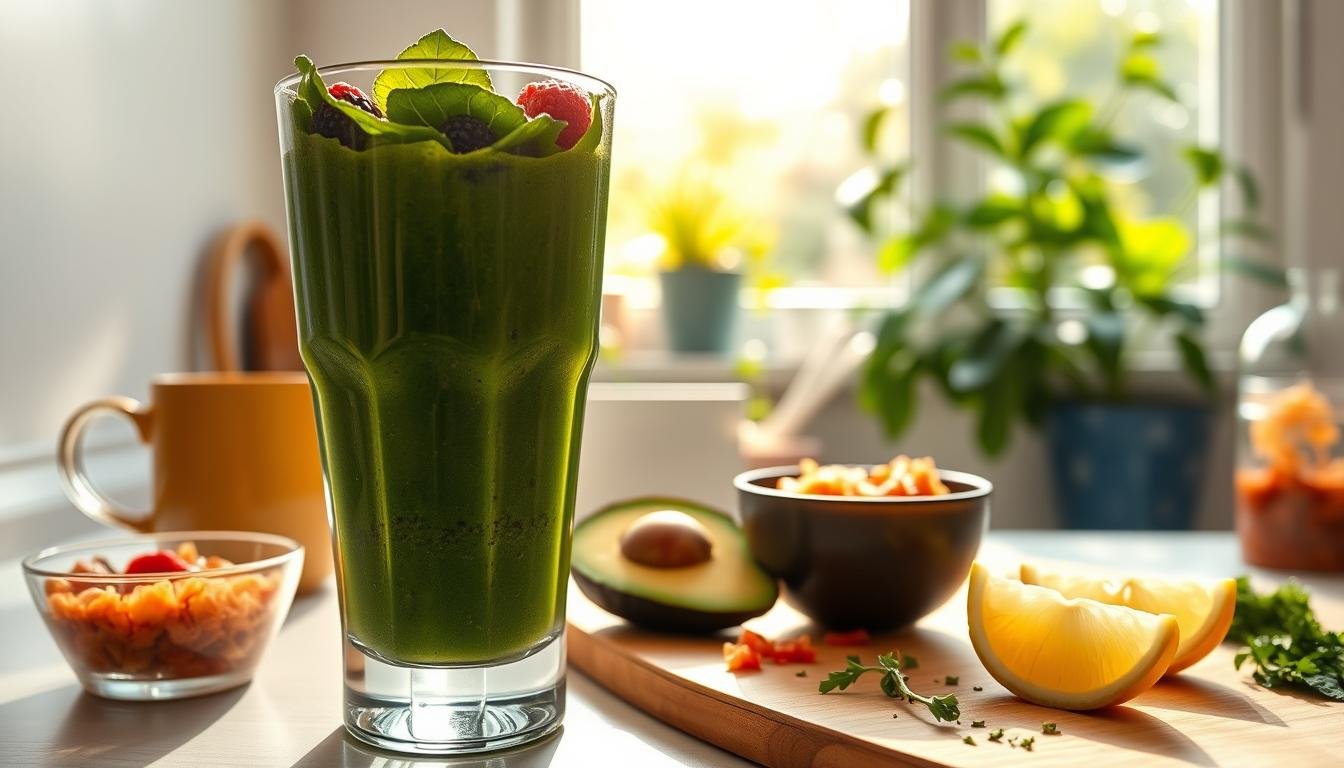
Blend spinach, banana, ground flaxseed and kefir or plain yogurt for a quick, balanced smoothie. Use more kefir for a sippable drink or add extra oats or chia to make it spoonable.
- Keep frozen berries and plain yogurt on hand to simplify prep.
- Portion ingredients the night before so you can blend in 60 seconds.
- Season with cinnamon or a little ginger to add warmth without sugar.
Lunch Bowls That Deliver Fiber and Flavor
A simple bowl approach makes it easy to pack fiber, protein and flavor into one grab-and-go meal.
Try two make-ahead combos: Chickpea and sweet potato grain bowls with greens and tahini, and roasted broccoli with kimchi over brown rice. Both come from EatingWell and work well for busy weeks.
Roast sweet potatoes and chickpeas on one sheet pan, then portion with leafy greens and a tahini drizzle. Swap tahini for a yogurt-lemon dressing if you want extra protein and tang.
- Use brown rice as the base for roasted broccoli and kimchi; finish with toasted sesame for crunch.
- Keep toppings simple: scallions, toasted nuts, and a lemon squeeze instead of heavy sauces.
- Vary veggies—cauliflower, bell peppers, or zucchini—so bowls stay interesting.
Plan a small afternoon snack to bridge to dinner and avoid energy drops. Pack bowls the night before and add fermented extras in small amounts to test tolerance.
“Build bowls that double as a quick dinner on busy nights.”
Dinners That Nourish Your Gut Night After Night
Make dinner the easiest meal by focusing on one-pot recipes that pack fiber and protein. Choose options that warm you and store well so you can relax in the evening and reach for a healthy lunch tomorrow.
One-pot soups and stews to batch and simplify
Lean on lentil chili, miso-butternut soup, and pasta e fagioli. These recipes combine beans or lentils with soft veggies and whole grains for gentle texture and steady nourishment.
Omega-3 dinners with whole grains
Pick salmon with wholemeal noodles and spring greens for an easy, omega-3 rich dinner. This pairs heart-healthy fat with whole grains for lasting fullness.
- Adjust sodium by using low-sodium broths and bright seasonings like garlic, herbs, and lemon.
- Swirl in a spoon of yogurt off the heat for creamy body and extra protein without heavy cream.
- Batch-cook double portions so an easy lunch is ready the next day.
- Add extra veggies—spinach, kale, or zucchini—to boost fiber and color.
- Stir in brown rice or other whole grains to vary texture and prebiotic content.
“One-pot dinners simplify cleanup, widen flavors week to week, and make evening meals stress-free.”
| Dish | Key benefits | Quick tip |
|---|---|---|
| Lentil chili | Fiber + protein; batch-friendly | Use low-sodium broth and smoky spices |
| Miso-butternut soup | Comforting texture; umami depth | Finish with yogurt swirl off heat |
| Salmon & wholemeal noodles | Omega-3 + whole grains | Toss greens in at the end for color |
| Pasta e fagioli | Beans + pasta; hearty and simple | Stir in brown rice for extra bulk |
Snacks That Support a Healthy Gut Between Meals
Small, planned bites between meals help steady appetite and support digestion. Keep snacks simple so you can avoid overeating at the next meal and add one more serving of plants to your day.
Gut-friendly energy balls with oats, seeds and natural peanut butter
Prep energy balls with oats, mixed seeds, dates and natural peanut butter for a portable snack. They pack fiber, protein and healthy fats so you stay satisfied between meals.
Store them in the fridge or freezer for grab-and-go convenience. EatingWell features recipes like these for week-long snacking that cut prep time and boost health.
Fruit-plus-protein pairings: apple with peanut butter or yogurt with berries
Pair fruit with protein to steady blood sugar and curb hunger. Try an apple with peanut butter or plain yogurt with berries.
- Choose plain yogurt and add your own fruit to limit added sugar and gain probiotics.
- Sprinkle chia or ground flax into yogurt for extra fiber and texture.
- Set snack times—midafternoon or early evening—so you don’t arrive at meals too hungry.
- Keep portions modest and pack snacks the night before so you always have gut-friendly options.
Meal Prep Tips from Registered Dietitians You Can Trust
Plan a short weekly session to cook staples that assemble into fast, balanced plates all week long. Use simple strategies from a registered dietitian to save time and hit your targets for protein and fiber while keeping sodium low.
Batch basics: grains, legumes and big pots
Cook a pot of grains and a tray of legumes. Double soups, chili, and casseroles so you reserve leftovers for next-night dinners.
Make-ahead breakfasts and snacks
Prepare Pumpkin-Date Overnight Oats for Days 2–5 and Gut-Friendly Energy Balls for the week. Make overnight oats and energy bites on Sunday so a quick breakfast or snack is solved.
- Keep yogurt and kefir in the fridge to blend a smoothie or top bowls.
- Pack snack portions and label containers with dates and protein amounts.
- Use freezer-safe containers for soup and chili to build a backup stash.
- Rotate add-ins so recipes stay varied and enjoyment stays high.
- Pair fruit with peanut butter or yogurt for a balanced snack.
| Prep | Why | Quick tip |
|---|---|---|
| Batch grains/legumes | Saves time | Portion for 3–4 days |
| Double soups/casseroles | Easy dinners | Freeze extras |
| Make snacks | Prevents poor choices | Store energy balls chilled |
Follow this rinse-and-repeat rhythm to reduce decision fatigue and support long-term health.
How to Adjust When You Have Inflammatory Bowel Disease
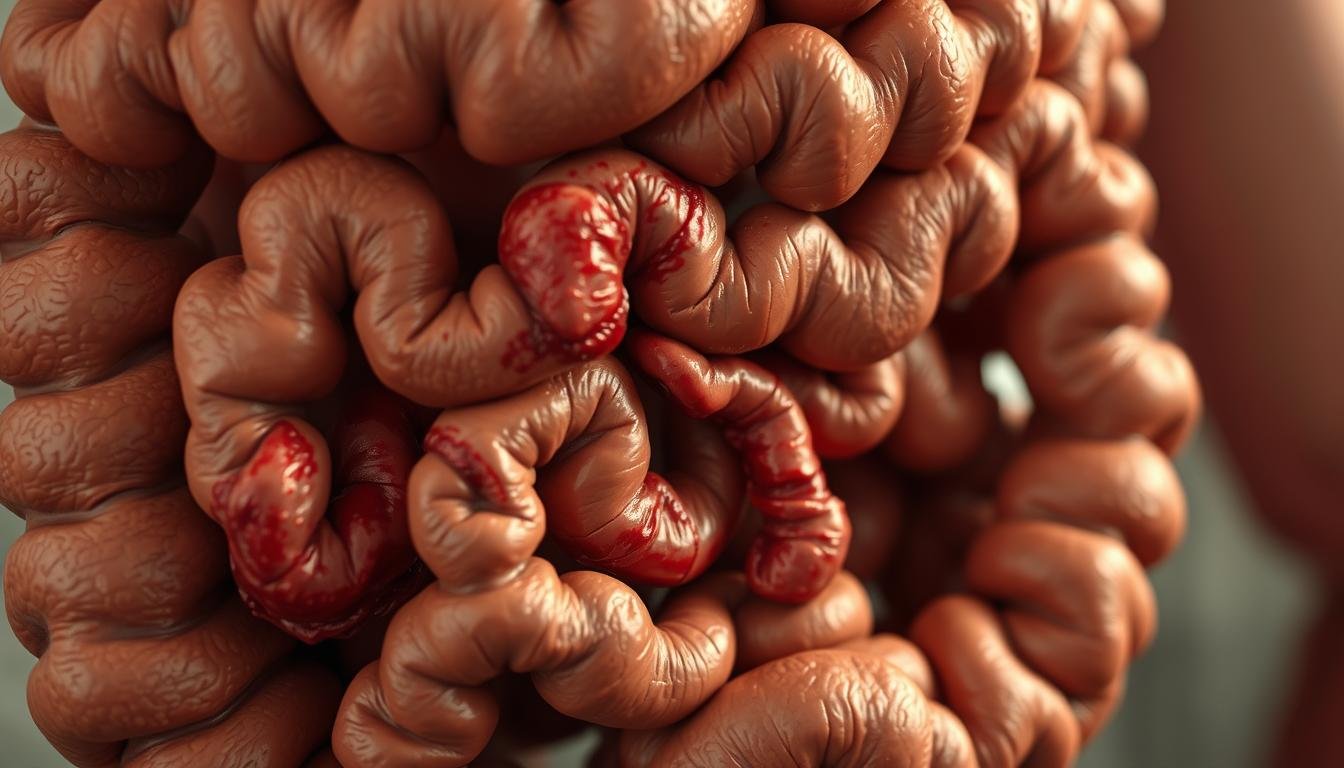
When symptoms spike, prioritize nourishing, easy-to-digest options that protect the lining of your gut. During a flare, many clinicians and University of Chicago Medicine dietitians suggest focusing on smooth textures and lower-residue choices.
During a flare: Favor pureed soups, blended smoothies like the Very Veggie Smoothie, and soft, well-cooked grains. Choose gentler fibers and thoroughly cooked veggie dishes to reduce mechanical irritation. Avoid large raw salads and fried or spicy foods that often trigger symptoms.
Between flares: rebuild slowly
Once symptoms ease, reintroduce variety and fiber gradually under a registered dietitian’s guidance. Start with small portions of oats, bananas, or well-cooked vegetables. Track reactions in a symptom journal to learn your tolerance.
- Prioritize hydration and broth-based soups when intake is low.
- Avoid sudden increases in high-fat or fried items that can worsen digestive diseases.
- Adjust supplements only with your medical team and dietitian involved.
“Stepwise, patient-centered changes often restore variety and confidence after a flare.”
Hydration, Bowel Regularity and Your Daily Rhythm
Sip and schedule: steady fluids and regular eating help your digestive rhythm stay predictable.
Fiber works best when you space water throughout the day. This keeps stools softer and supports bowel regularity as you increase plant foods.
Include hydrating foods—citrus, berries, cucumbers—and broth-based soups. Choose lower-sodium broths or add a pinch of salt and a squeeze of citrus for flavor without excess salt.
- Set a consistent meal and snack schedule so your system learns a steady pattern.
- Note how caffeine and alcohol affect your regularity and adjust timing or portions.
- Use herbal tea or diluted kefir smoothies between meals for gentle hydration.
- Keep a water bottle visible as a cue to sip, and drink more when you’re active or sweating.
“Hydration plus fiber and movement form a trio that supports daily comfort.”
| Action | Why it helps | Quick tip |
|---|---|---|
| Space water across day | Softens stool; eases passage | Sip 6–8 oz every 1–2 hours |
| Choose hydrating foods | Add fluids and vitamins | Include citrus, cucumbers, berries |
| Schedule meals/snacks | Stabilizes digestive rhythm | Eat every 3–4 hours with one small snack |
Troubleshooting Common Gut Issues Without Guesswork
If higher-fiber menus or new probiotic foods feel like too much, small tests usually point you toward comfort fast.
Stay calm and change one thing at a time. That helps you learn what triggers symptoms and what supports recovery during a flare or sensitive period.
If added fiber feels like “too much”
Scale back slightly, cook grains and legumes longer, and favor soluble options such as oats and barley. Gradually increase portions over days so your system can adapt.
When probiotics cause discomfort
Try smaller portions and rotate sources—yogurt, kefir, kimchi or miso—to test tolerance. Soups and a blended smoothie can deliver nutrients gently during an inflammatory bowel flare.
- Watch sodium in broths and fermented foods; pick low-sodium labels to reduce bloating.
- Use a small yogurt or fruit snack between meals to avoid heavy plates when you’re sensitive.
- Keep meals simple and change only one variable (portion, texture, timing) per test.
- Stay hydrated and move gently to help regularity as you adjust.
“If symptoms worsen or a flare persists, contact your clinician for tailored care.”
Calorie and Macro Tweaks for Your Needs
Tuning portions and add-ins makes it easier to hit targets like 1,500–2,000 calories without trading taste for tolerance. EatingWell’s 1,800-calorie plan averages about 87 g protein and roughly 39 g fiber per day, with sensible options for 1,500 and 2,000 calorie plans.
Avoid very low targets such as 1,200 calories. The 2020–2025 Dietary Guidelines note that number is too low for many people to meet daily nutrients and is hard to sustain.
To raise or lower calories, add simple whole-foods: fruit, nuts, plain yogurt, or an extra slice of whole-grain bread. These moves increase energy without spiking sugar or relying on processed, high-sodium snacks.
Practical tweaks to hit your target
- Keep protein steady each meal—modify portion sizes to maintain appetite control and recovery.
- Choose higher-fiber add-ons like extra beans or whole grains to raise calories gently.
- Favor fresh add-ins over salted packaged items to limit sodium when scaling up.
- Plan one evening snack—for example, apple with peanut butter or a yogurt cup—to close gaps calmly.
- Shift dinner portions slightly larger or smaller while keeping the plate method intact.
| Calorie target | Approx. protein | Fiber goal |
|---|---|---|
| ~1,500 | ~70–80 g | ~30–35 g |
| ~1,800 | ~87 g (EatingWell avg) | ~39 g |
| ~2,000 | ~95–100 g | ~40+ g |
Track how tweaks affect your energy and digestion. Keep hydration and gentle movement steady—both influence hunger and comfort independent of calories.
Sample Day: What Makes a Meal “Gut Friendly”? Put It All Together
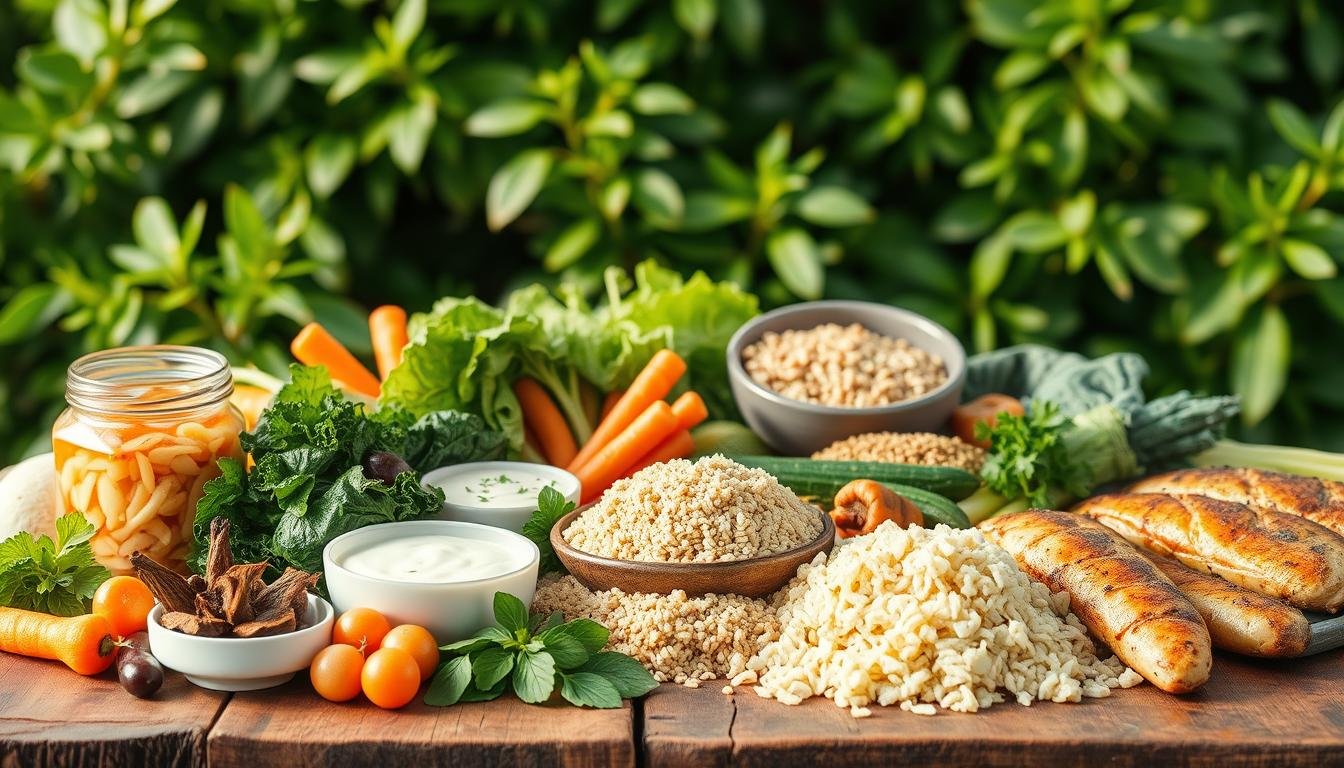
Try this one-day plan to see how balanced plates, simple swaps, and small snacks fit into your routine. Each choice blends protein, fiber, and a probiotic element so you can test textures and portions across the day.
Breakfast
Muesli with raspberries, low-fat Greek yogurt, and a splash of kefir starts the day with protein, probiotics, and fiber.
If mornings are rushed, turn this into a quick smoothie using yogurt or kefir as the base.
Lunch
Choose a roasted lentil-kale salad or a chickpea–sweet potato grain bowl to keep flavor and fiber front and center.
Both pack steady protein and make next-day lunches easy from leftovers.
Dinner
Slow-cooker chicken with brown rice, beans, and mixed veggies makes a soothing, hearty dinner.
Use low-sodium broth and gentle herbs so dinner remains satisfying without excess salt.
Snacks
Plan simple bites: fruit with nuts or peanut butter, and yogurt with blueberries.
These small snack choices bridge meals, steady energy, and add extra servings of plants.
“Adjust portions by activity, rotate ingredients across days, and change textures before you change the plan.”
| Meal | Key elements | Quick tip |
|---|---|---|
| Breakfast | Muesli, raspberries, yogurt, kefir | Turn into a smoothie if needed |
| Lunch | Lentils or chickpeas, kale, sweet potato | Roast and portion for two days |
| Dinner | Chicken, brown rice, beans, veggies | Slow-cook for soft texture |
| Snacks | Fruit, nuts, peanut butter, yogurt | Pack portions to avoid overeating |
Conclusion
Rotate foods and flavors so your gut microbiome stays diverse and your meals stay enjoyable.
You’ve seen how fiber-rich plants, fermented foods like yogurt, and balanced protein and fat help support gut health and overall health.
Follow the simple plate blueprint—half vegetables, quarter whole grains, quarter protein—and adapt recipes to your needs. Use low-sodium broths and mindful fat choices to keep flavor with less sodium and excess fat.
If you live with bowel disease or inflammatory bowel disease, reach out to a registered dietitian for tailored guidance. Track flares, adjust textures, plan a snack and a thoughtful dinner, and use vetted meal prep tips to stay consistent.
Carry this framework forward to protect your microbiome, meet your nutrient needs, and enjoy sustainable, nourishing meals every day.
FAQ
How do you define a gut-friendly meal?
Why does the gut microbiome matter for digestion and overall health?
Which fiber sources are best for meals that won’t upset your stomach?
How much fiber should you aim for daily?
Can fermented foods help, and which ones are practical?
How should you balance protein for gut health?
What fats and sugars should you include or avoid?
How can you build a simple gut-friendly plate at home?
What staples should you keep in the pantry and fridge?
Are there breakfast ideas that support a healthy microbiome?
What lunches and dinners are gentle but nourishing?
How should you snack to support digestion between meals?
How do you adjust meals if you have inflammatory bowel disease (IBD)?
What if higher fiber makes you uncomfortable?
Can probiotics ever cause discomfort?
How many calories should gut-friendly meal plans include?
Can meal prep help you stick to gut-friendly eating?
Which herbs and spices support flavor without triggering flare-ups?
Affiliate Disclosure: Some of the links in this post are affiliate links. This means I may receive a small commission if you purchase through my links, helping me keep this site running — at no additional cost to you.